
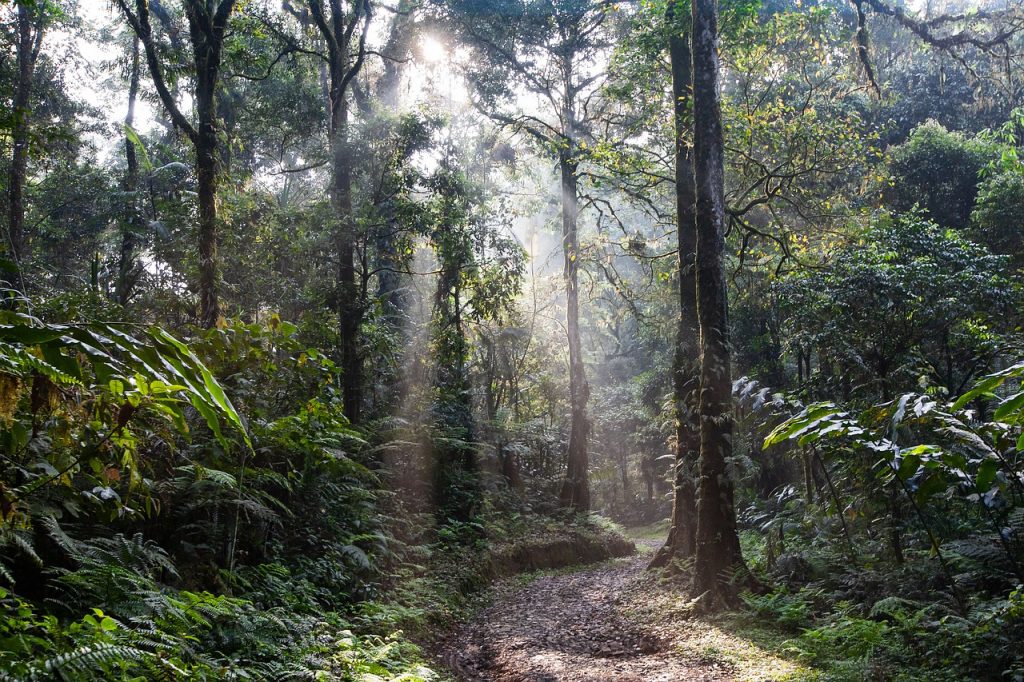
Tropical rainforests are dense forests with extraordinarily rich biodiversity, where more than 2,000 mm of rain falls every year. Large areas of them disappear every day, and this loss adds significantly to global warming, which is already well under way. That is why it matters so much to understand how to save the rainforest. We have already written about what individuals and companies can do in our articles Deforestation and 7 Tips to Help Fight Deforestation and Protect Forests.
Yet the most promising solution seems surprisingly simple: trust the people who live there. Research shows that giving indigenous communities legal title to their land can protect forests more effectively than declaring those forests protected areas such as national parks.
This may sound like wishful thinking. However, there is growing evidence that letting indigenous peoples control the forest they have called home for generations may be the best and most effective way to protect it. Simply granting them formal title to their land can make a huge difference.
In the Peruvian Amazon, for example, a study found that when indigenous communities received legal title to their land, forest clearing fell by more than three-quarters and forest disturbance by roughly two-thirds over the two years that covered the year the title was awarded and the year after. Interestingly, recognising indigenous land rights can work even better than declaring a forest a protected area. A global analysis of tropical forest fires found that in Latin America, indigenous lands reduced the incidence of fire, which is used as an indicator of deforestation, far more than strictly protected areas did.

Martin Simmoneau was a programme manager in 2021 at the charity Cool Earth, which works directly with indigenous communities in rainforests. He said that these communities have both the expertise and the motivation to use forest resources well. According to him, this came as no surprise. The forest gives them food, water and income, and their long-term survival and prosperity as a people depend on it. In his words, the forest is their bank account and their market.
Like everyone else, however, they need to earn a living. They are under pressure to pay for things such as healthcare and education, and to afford a few small comforts in life. This can lead some people to sell logging rights, for example. But rainforests offer other options besides a simple one-off sale like this.
The best results often come when indigenous communities work in partnership with friends and collaborators from other countries, sometimes neighbouring ones and sometimes ones on the other side of the world. This makes it possible to combine traditional knowledge with 21st-century expertise to the benefit of both sides.
So what does this look like in practice? Here are three examples of how to save the rainforest by working with the people who live there.
1. Rede de Sementes do Xingu: a rainforest seed network in Brazil
The rainforests of the Xingu peoples lie in central Brazil. The area is under growing pressure from industrial agriculture and cattle ranching, which has led to more and more conflicts between farmers and the Xingu peoples. Deforestation harms both farms and rainforests, because it disrupts water supplies and increases the risk of fire.
Attempts to replant trees using conventional methods kept failing until a new seed collection network, Rede de Sementes do Xingu (the Xingu Seed Network), stepped in. It draws above all on the knowledge of Xingu women, many of whom have become forest entrepreneurs. They collect a wide range of seeds from native species and train community members and farmers in a traditional practice known as muvuca. This involves scattering a mixture of seeds over the ground. This method can establish up to ten times as many trees per hectare, at half the cost of conventionally planting single-species seedlings.
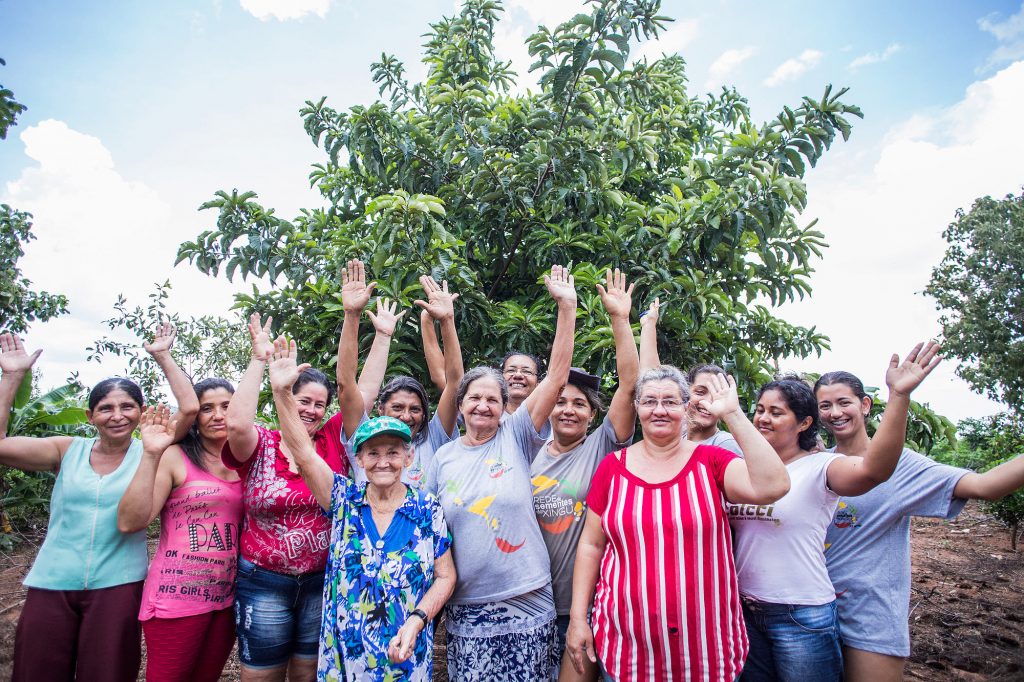
By 2020, the network had helped to restore more than 6,600 hectares of degraded land. This restoration sharply reduced the number and severity of fires. Even in 2019, when widespread fires were raging in the Amazon, only 1,600 hectares burned in the part of the Xingu basin where the network works, compared with around 100,000 hectares in 2010, according to Ashden.
In 2020, the network won an Ashden Award for Natural Climate Solutions. In its first 12 years, it generated around US$750,000 in income for the Xingu communities that collect seeds. The seed collectors are very proud of their work and often share stories and videos of it on social media.
The project has also helped to resolve conflicts between the Xingu peoples and outsiders. It has given people who live in the rainforest the chance to build a good life in their homeland, in the forest they might otherwise have had to leave to look for a better future in the city.
Placides Pereira, a farmer in the Xingu region, saw the effect of reforestation on his own land during the severe drought of 2016: the stream that runs past his house did not dry up. When a university professor came to his farm to carry out research, Pereira began to share what he had learned. He says he had never realised that people wanted to know what he knew.
2. Saving the rainforest in the Ene Valley, Peru
The remote Ene Valley in Peru is home to the Asháninka people. In recent decades, their way of life has been badly affected by the Shining Path guerrilla movement, by cocaine traffickers and, as of 2021, by incursions from loggers. These loggers were pressuring communities to sell the trees on their land at prices far below market value.
People who lack the money for essentials such as education and medicine find it hard to resist this pressure. Some, however, are determined not to give in. Several Asháninka communities have formed partnerships with the charity Cool Earth to develop more sustainable livelihoods. These livelihoods keep the forest standing and can more than match the one-off cash payment that logging would bring.
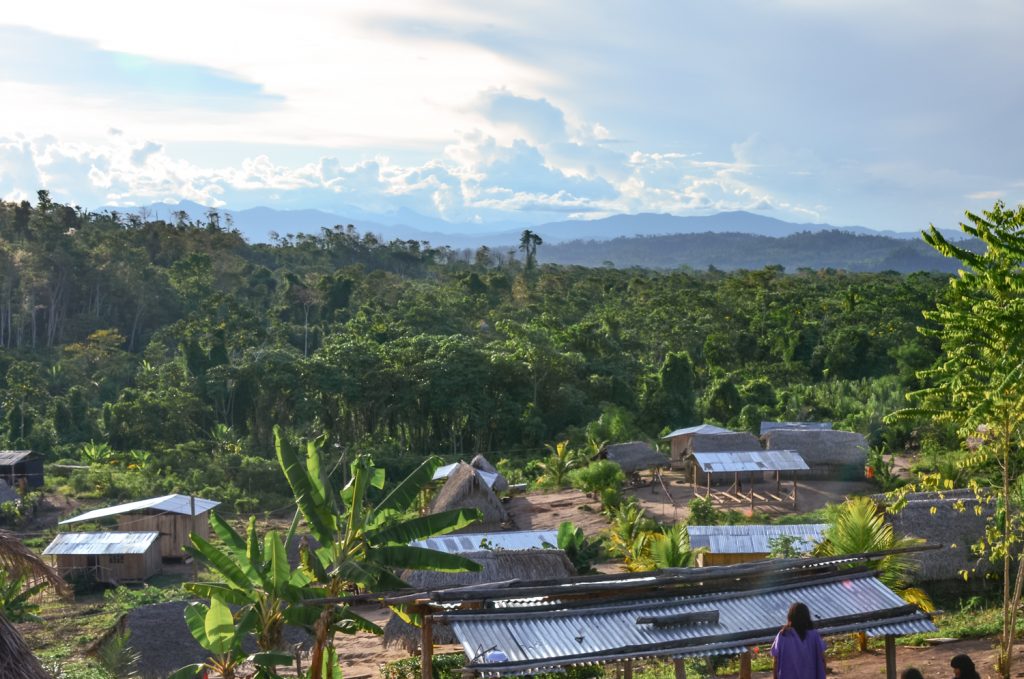
They include growing coffee and cacao, both of which can thrive in the shade of rainforest trees. Cool Earth provides funding and training to help Asháninka farmers improve the quality of their coffee and cocoa beans, find natural ways to protect their crops from disease, and connect with local buyers and regional markets. This helps them get a fair price for these high-quality products, which have the added value of being coffee and chocolate “grown in the rainforest”.
Farming like this helps to ease the pressure on the forest from slash-and-burn agriculture, which is traditionally used to grow staple crops such as cassava. Thanks to advances in satellite imaging, the Asháninka can now see the impact of this kind of farming on the forest for themselves. This encourages people to look for sustainable alternatives. It also shows that when indigenous groups keep control of their land, forest loss falls dramatically. In the Rio Tambo district, where Cool Earth’s partnerships were under way, it fell by more than 70 per cent, according to figures reported in 2021.
3. Rainforests of the Congo Basin, Cameroon
Outside the Amazon, the largest remaining area of rainforest on Earth is in the Congo River basin. It is home to an astonishing variety of wildlife, with 400 species of mammals, including gorillas, bonobos and forest elephants. These rainforests are also rich in human diversity. More than 150 ethnic groups live there, including the Baka, and each has its own knowledge and experience of the forest.
It is here, within Cameroon’s borders, that some of Africa’s more successful rainforest initiatives have been established. By 2021, the country had recognised more than 260 community forests managed by local communities. In this way, it has given local people real rights over the forest they call home.
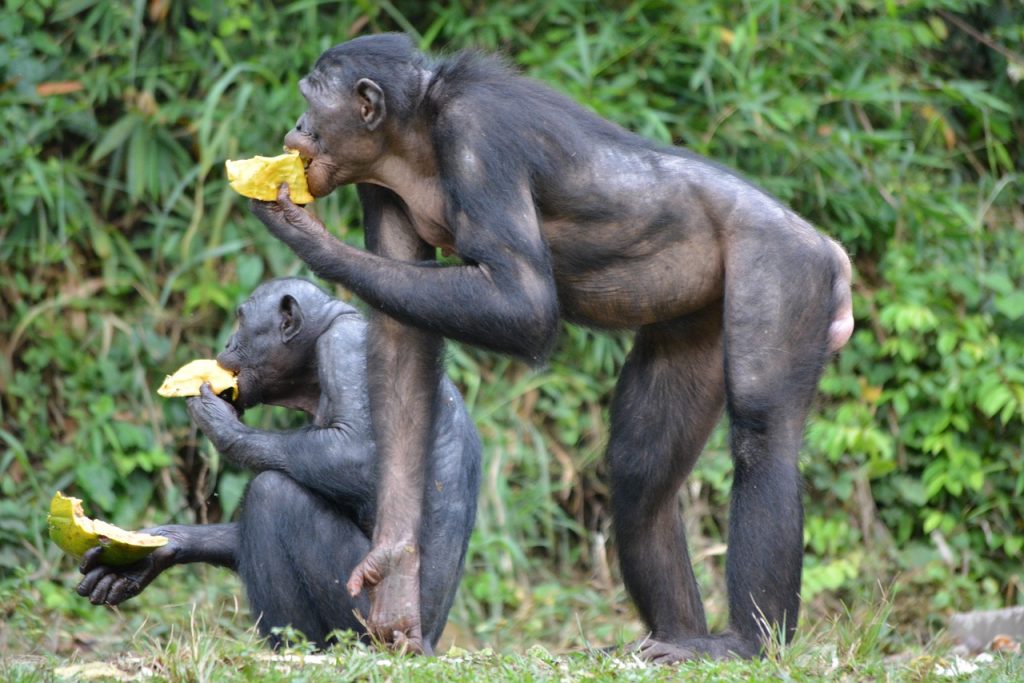
The Rainforest Alliance helps some of these communities make the most of their rights. It works with communities in south-eastern Cameroon around the Dja Biosphere Reserve, home to the rare western lowland gorilla. The Rainforest Alliance has helped to set up community enterprises so that local people can profit from sustainable timber and other forest products, such as wild mango and njansang seeds, which are used in natural oils and soap.
Thanks to links with buyers who pay a fair price for their products, some communities had seen a fivefold increase in revenue by 2021. This not only helps to lift them out of poverty but also gives them the motivation and reasons to protect their forests in the future.
🌿 Worth sharing? Let others know!
Enjoyed this article? Share this article or our page on Facebook, Instagram, or Threads. You’ll help us bring eco-tips and guides that save both money and the environment to many more people. Together, our impact will be much greater.
It takes literally just a few seconds, but it makes a huge difference for our planet. Thank you in advance for sharing:
 Facebook
 Instagram
 Threads
📩 Never miss a tip! Follow us
For the latest updates, we recommend joining our WhatsApp channel or following us on Pinterest. We promise to post at most one article every two days, so we won’t spam or disturb you.
⚠️ Important: On WhatsApp, click the bell icon to ensure you get notified.
 Join WhatsApp
 Follow Pinterest
Sources: sementesdoxingu.org.br, positive.news, rainforest-alliance.org, coolearth.org, ashden.org, PNAS (Blackman et al., 2017), PLoS ONE (Nelson & Chomitz, 2011), en.wikipedia.org