
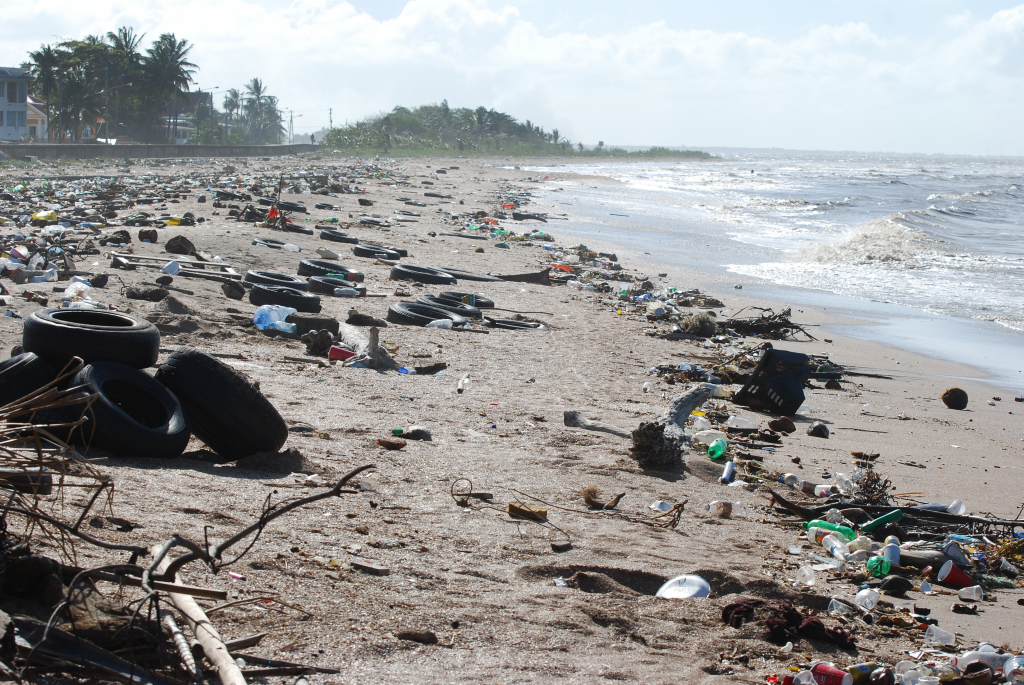
You can find them almost everywhere: at bus stops, behind buildings, in planters, on pavements and motorways, around campfires, under the balconies of blocks of flats, in front of and behind schools and, sadly, even in the ocean. If you guessed cigarette butts, you guessed right.
We will not discuss the health risks of smoking here, as the warnings on cigarette packs hopefully make them clear enough. Instead, we will look at the statistics, explain the environmental impact, especially on animals, and, as always, offer possible solutions to the problem.

Many people do not realise what happens when they drop a cigarette end on the ground. The US non-profit organisation Keep America Beautiful (KAB) gives two reasons for this behaviour. Either smokers are not aware of the problem they cause, or there are not enough bins for this type of waste.
Interestingly, in a KAB survey, 77% of people said that they considered cigarette butts to be litter. Even so, they remain the most frequently littered item in the US. The number of ashtrays also makes a difference: according to KAB, the littering rate for butts drops by 9% for every additional ashtray. So every extra ashtray helps.
This waste may seem insignificant and is often overlooked, but the following figures show the exact opposite:
- According to the World Health Organization (WHO), there were 1.2 billion tobacco users in the world in 2024, compared with 1.38 billion in 2000.
- Worldwide, about 10 million cigarettes are bought every minute and 15 billion every day. Over a year, that adds up to more than 5 trillion cigarettes. Five trillion filters weigh about 900,000 tonnes in total (Verywell Mind). According to WHO, around 4.5 trillion cigarette filters pollute oceans, rivers, pavements, parks, soil and beaches every year.
- According to the US National Fire Protection Association (NFPA), smoking materials such as cigarettes, pipes and cigars started an average of about 15,200 home fires a year in the United States between 2019 and 2023. These fires caused major damage to property and, sadly, killed around 590 people a year. And these figures cover only fires in homes.
- A used plastic filter can take up to 14 years to break down, depending on the environment it ends up in. And even then, it only breaks down into microplastics, which stay in the environment much longer. WHO even estimates that cigarette filters are the second largest source of plastic pollution worldwide. By number of items, however, they top the list: volunteers in Ocean Conservancy’s International Coastal Cleanup collected more than 63 million butts around the world between 1986 and 2023, over twice as many as the next most common item, food wrappers.
Environmental impact of cigarette butts
Fires
As we mentioned above, smoking materials cause many fires, and a carelessly discarded cigarette end can also start a fire outdoors. Their consequences depend on where the fire starts, and fires in forests and meadows are the worst.
We do not have to look far for an example. The largest fire in the history of the High Tatras in Slovakia broke out on 30 July 2005 and was most likely started by a smouldering cigarette end that someone had thrown away. The fire destroyed about 15,000 cubic metres of fallen timber that had not yet been cleared, and almost 14 hectares of living forest. It also damaged naturally regenerating and newly planted young trees on about 13 hectares. In total, the fire affected 230 hectares of forest.

Burning forests also release carbon dioxide from burnt plants and trees. In British Columbia, Canada, around 1.2 million hectares of forest burned in 2017. According to an initial, unofficial estimate by a scientist at Natural Resources Canada, these fires released about 150 million tonnes of CO2. That is roughly 125 tonnes of CO2 per hectare of burnt forest. For comparison, new cars registered in the EU, Norway and Iceland in 2025 had average official emissions of 96.7 g of CO2 per kilometre (provisional data), according to the European Environment Agency (EEA). In other words, each hectare that burned in British Columbia released about as much CO2 as an average new car driving 1.3 million kilometres.
Another, equally serious consequence of forest fires is that animals die or lose their homes. This happened on a huge scale during the 2019–2020 bushfires in Australia. According to a report led by the University of Sydney for WWF-Australia, around 3 billion animals were killed or displaced, including more than 60,000 koalas.
Danger to animals
Used filters contain harmful substances such as nicotine, arsenic and heavy metals like lead, which are toxic to aquatic life. For example, just one butt in less than 8 litres of water is enough to kill water fleas, tiny crustaceans that live in fresh and salt water.
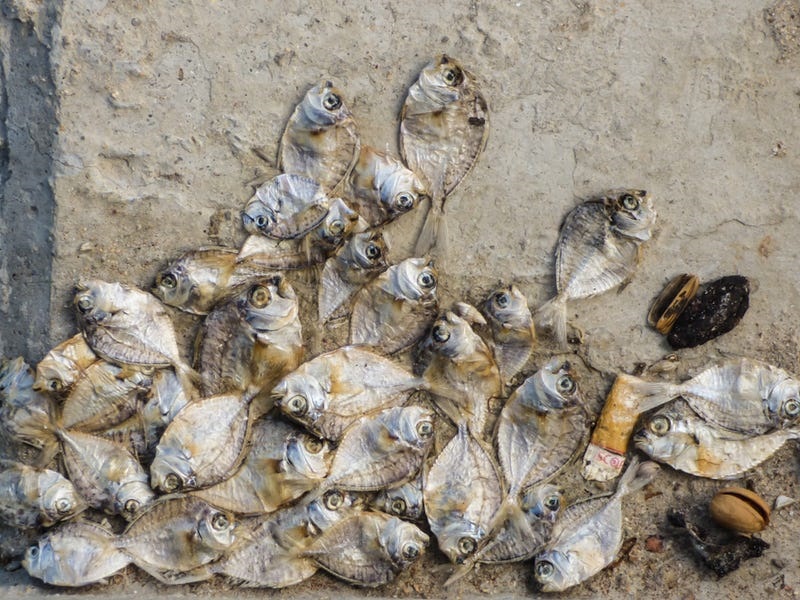
A cigarette end thrown away far inland can travel a long way. If you drop it by the road, it can be washed by rain into a drain or straight into a stream, and from there into a river and eventually the sea, where fish or birds may mistake it for food. It is also common for these contaminated plastic filters to wash up on beaches after their long journey, where they once again come into contact with seabirds.


Swallowing this waste can make birds seriously ill or even kill them. Researchers have also found higher levels of chromosomal damage in urban birds that line their nests with cigarette butts.
Electronic cigarettes
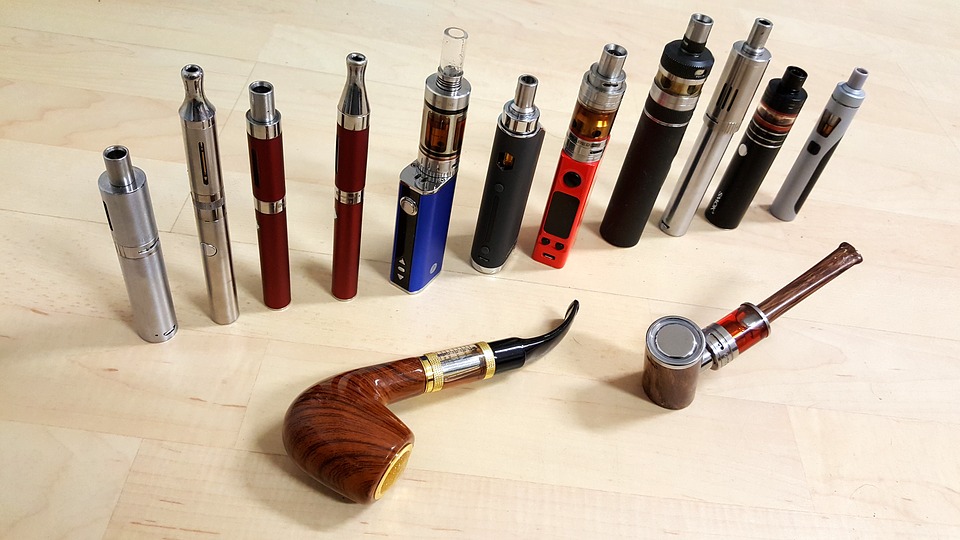
Some people wrongly believe that electronic cigarettes are a greener alternative to traditional cigarettes, but the opposite is true. They are made up of several parts: an atomiser, a battery and a cartridge that holds the liquid, known as e-liquid, with nicotine and flavourings. Electronic cigarettes are powered by lithium-ion (Li-ion) batteries with various capacities, usually from 650 to 1,300 mAh, and a lifespan of 300 to 600 charging cycles. After that, the battery has to be replaced.
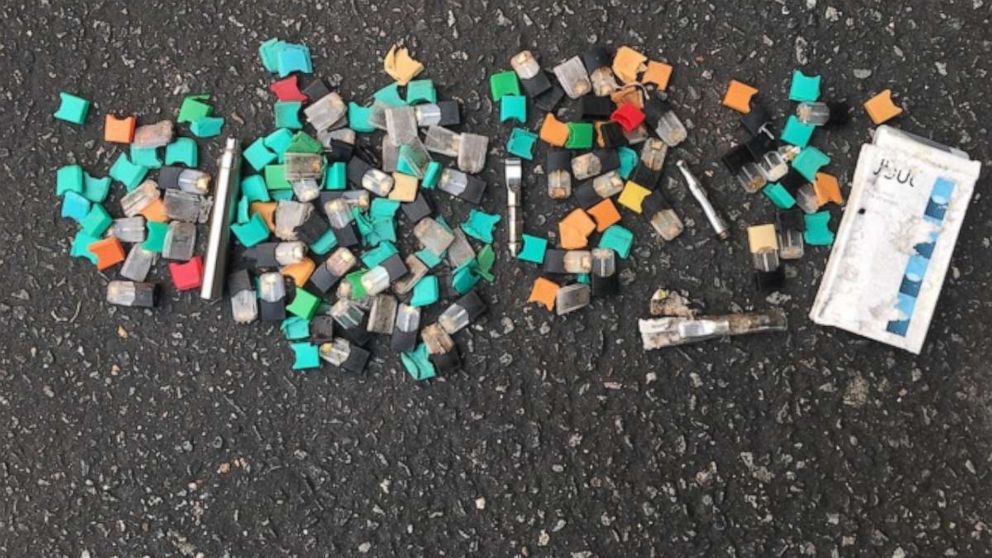
Just like plastic cigarette filters, electronic cigarettes themselves also end up in the ocean, especially their cartridges, which still contain leftover liquid that is toxic to the environment. Some e-cigarettes are even disposable. In early 2025, an estimated 8.2 million e-cigarettes (vapes) were thrown away or littered every week in the UK, according to an analysis by Material Focus cited by the UK government. Since 1 June 2025, shops in the UK can no longer sell single-use vapes (disposable e-cigarettes).
Electronic cigarettes count as electrical equipment, because they contain a lithium-ion battery and usually come with a USB charger. In the European Union, this also applies to disposable e-cigarettes. According to the European Commission, they are covered by the rules on waste electrical and electronic equipment (WEEE). Producers must pay for their collection and proper treatment, and you can return used e-cigarettes at collection points and, in many cases, in the shops that sell them. Like other electrical equipment, they are marked with a crossed-out wheeled bin symbol, which means that you must not dispose of them with household waste.
Solutions
- Of course, the best solution is not to smoke.
- If you do smoke, always look for a place with a bin or an ashtray.
- If there is no bin nearby, or you do not want to look for one every time, always carry a pocket ashtray with you. It is a small, closable case, usually made of metal or another non-flammable material, that fits in a pocket or bag and holds several butts until you find a bin. Any other non-flammable container with a tight lid and enough space will also do. According to a KAB survey in the US, only 14% of smokers own a pocket ashtray.
- Take electronic cigarettes that you no longer use to a collection point for electrical waste, return them to a shop that sells them, or use the take-back option that the manufacturer or seller lists on its website. Take used batteries to a collection point as well.
As you can see, the solutions are simple and cheap, so there is really no excuse for leaving a plastic filter behind. It is only a matter of our own laziness. Finally, cigarette filters can even be recycled, but that is a topic for another article.
🌿 Worth sharing? Let others know!
Enjoyed this article? Share this article or our page on Facebook, Instagram, or Threads. You’ll help us bring eco-tips and guides that save both money and the environment to many more people. Together, our impact will be much greater.
It takes literally just a few seconds, but it makes a huge difference for our planet. Thank you in advance for sharing:
 Facebook
 Instagram
 Threads
📩 Never miss a tip! Follow us
For the latest updates, we recommend joining our WhatsApp channel or following us on Pinterest. We promise to post at most one article every two days, so we won’t spam or disturb you.
⚠️ Important: On WhatsApp, click the bell icon to ensure you get notified.
 Join WhatsApp
 Follow Pinterest
Sources: verywellmind.com (archived), Keep America Beautiful – Cigarette butt litter (archived), who.int, nfpa.org, Joly & Coulis (2018), Waste Management, 24hod.sk, cbc.ca, sciencealert.com, Ocean Conservancy – International Coastal Cleanup report, WHO – tobacco trends report 2025, European Environment Agency, University of Sydney, GOV.UK – single-use vapes, GOV.UK – ban from 1 June 2025, europarl.europa.eu