

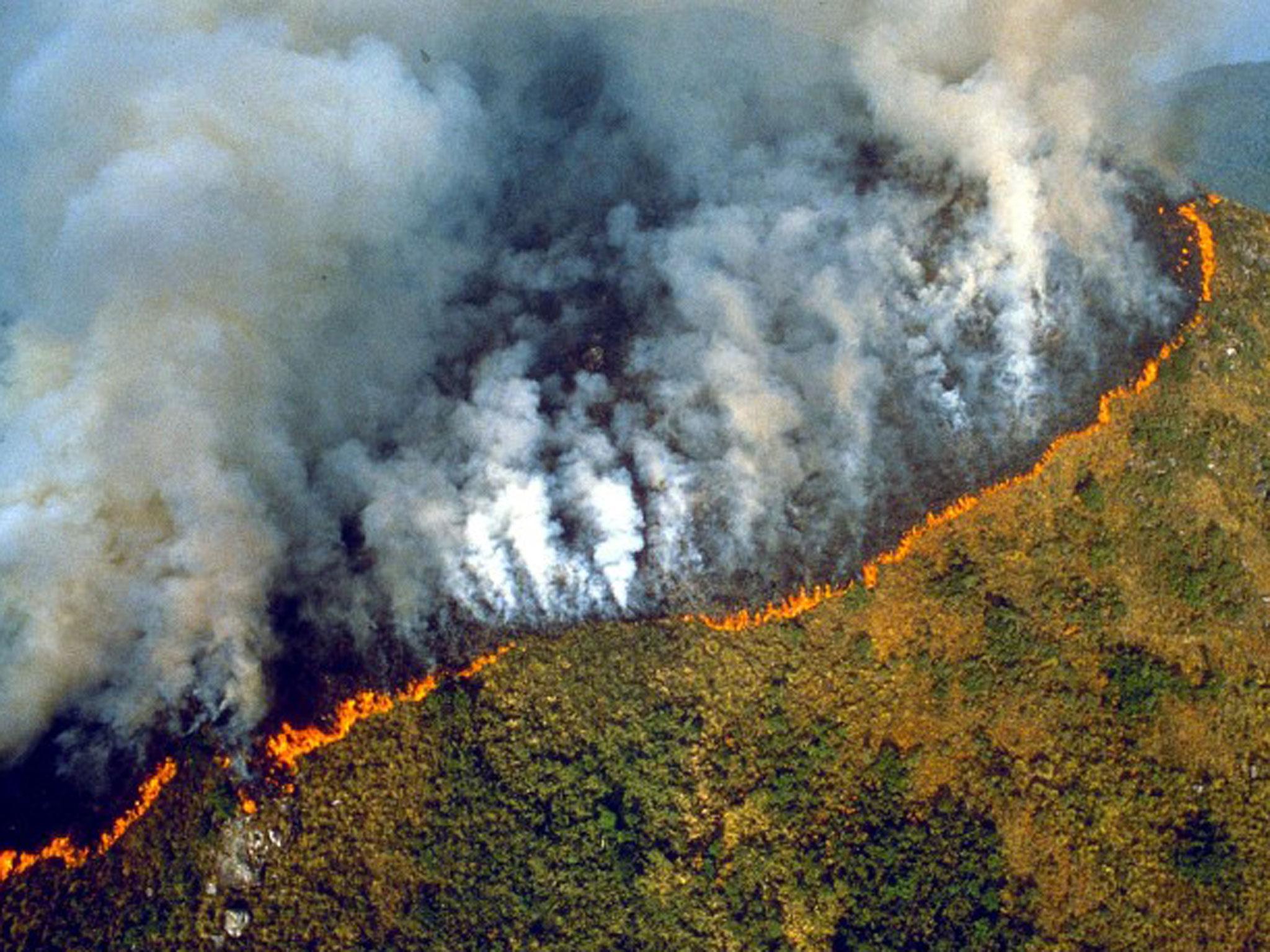
Of course, large corporations and governments have the biggest impact, but all of us still have a part to play. We can see forests disappearing before our eyes, even in the most protected areas of national parks. The situation is even worse in the rainforests of South America, Asia and Africa. Anyone who cares about every tree, whether it is the one beside their block of flats or one deep in the rainforest supporting unique ecosystems with food and shelter, should do their bit to help.
Reduce meat consumption? Why?
One of the main drivers of deforestation in tropical rainforests is the demand for land to grow soy, which is then processed into soy meal. Most livestock farmers use it as feed because it contains a high amount of protein and other nutrients needed for animal growth. Europe is not self-sufficient in this area and has to import most of its soy from Brazil. China is the second largest buyer of Brazilian soy.
Another reason to reduce meat consumption is that huge areas of land in Brazil and other South American countries are being cleared for cattle pasture. If we truly care about preserving old forests and rainforests, we should avoid buying meat that comes from these regions.
The ideal option, if you do eat meat, is to choose locally produced meat from farmers in Slovakia or the Czech Republic, with animals fed on locally grown crops. It should also be poultry rather than beef, as poultry requires less land and feed. It also has a much lower carbon footprint, contributes less to global warming and, in turn, to the forest fires linked to it.
That is why our recommendation is to choose poultry as an alternative and avoid eating meat more than twice a week.
Palm oil
High palm oil consumption is one of the main reasons why rainforests in Indonesia and Malaysia are disappearing at such an alarming rate. Not to mention the number of orangutans killed by workers because they are seen as pests, along with many other rare animals driven out of their forest habitats.
A large share of palm oil consumption is used for biofuels and animal feed. At least in the area of biofuels, the European Union has already taken a positive step by banning the use of palm oil in biofuels from 2021. The next move is up to us as consumers: choosing foods that do not contain palm oil. Many products are now available in palm oil-free versions.
Cocoa
Most chocolate and cocoa products sold in our shops are made from cocoa grown on land that was once rainforest. That leaves us with two choices: either eat less chocolate, fewer cocoa fillings and chocolate-coated products, or support fair trade cocoa and products made from it. They may cost more, but by buying them you support not only forests, but also plantation workers, who are far more likely to receive fair pay instead of unacceptably low wages.

We will cover cocoa and chocolate in more detail soon in a separate article.
Wood
Moving house? Refurnishing your flat or office? Choose wisely. Do not buy exotic timber or products made from it. Trees like these take many years to grow, are often extremely rare, and are vital to local ecosystems.
Keep purchases of wood and paper products to a minimum. When you do need them, choose recycled options wherever possible, such as recycled office paper, second-hand furniture, furniture made from recycled materials, bamboo, and similar alternatives.

For heating, use storm-felled timber or wood from fast-growing trees such as alder, willow, poplar or black locust that have been grown specifically for commercial use. The same principle applies to furniture.
Global warming
Do not support global warming through your consumer choices. It leads to droughts, forest fires and bark beetle outbreaks in woodlands. You can find tips on how to help tackle global warming in the article 10 low-cost tips to help fight climate change.
Let’s plant trees
If you have the opportunity, plant as many trees as possible on your land and in your local area. Sometimes it only takes a little effort, such as getting permission from the local authority and turning an unused space into a pleasant green area where people can escape the summer heat.

Artificial tree planting cannot adequately replace trees that have been cut down in forests. When trees are planted unnaturally, they are often less stable and forests become less diverse. The only truly effective way to help our forests is to protect them, stop cutting them down, and allow natural regeneration to take its course.
Let’s stand together
Support charities and organisations that protect forests. Join protests that raise awareness of the issue and take part in petitions aimed at protecting our forests and natural heritage.
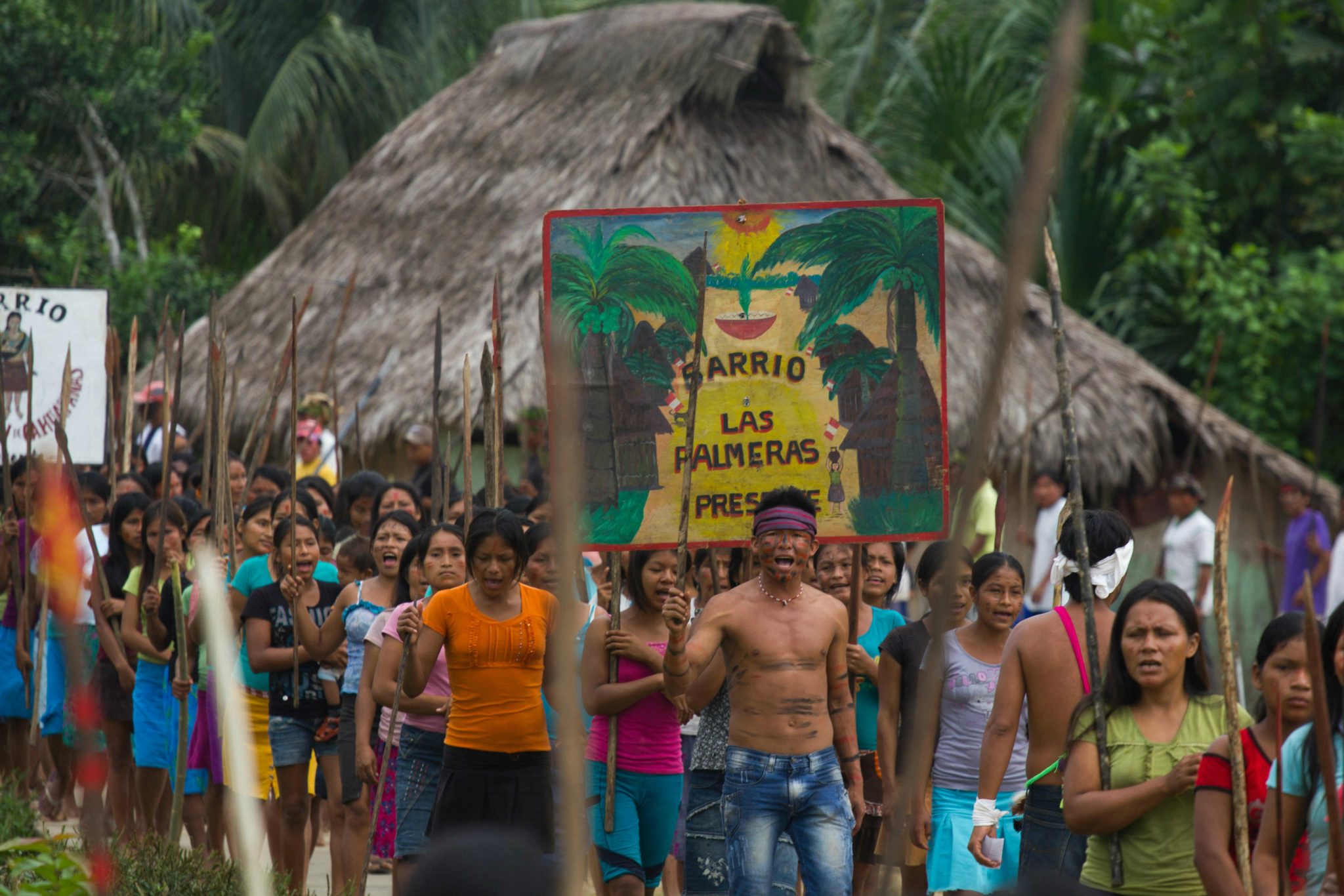
Talk about this issue with people around you, with your friends, and on social media. Share this article. Do not stay passive — come together for a good cause. Vote for people to government and other important positions who understand the issue, genuinely want to help, and know how to make a positive difference.
🌿 Worth sharing? Let others know!
Enjoyed this article? Share this article or our page on Facebook, Instagram, or Threads. You’ll help us bring eco-tips and guides that save both money and the environment to many more people. Together, our impact will be much greater.
It takes literally just a few seconds, but it makes a huge difference for our planet. Thank you in advance for sharing:
 Facebook
 Instagram
 Threads
📩 Never miss a tip! Follow us
For the latest updates, we recommend joining our WhatsApp channel or following us on Pinterest. We promise to post at most one article every two days, so we won’t spam or disturb you.
⚠️ Important: On WhatsApp, click the bell icon to ensure you get notified.
 Join WhatsApp
 Follow Pinterest