

What Is Global Warming – Definition
Global warming is the process by which the Earth’s average atmospheric temperature rises over time. It has both natural and human causes. The main driving force behind global warming is the greenhouse effect, which is influenced by certain gases. However, the atmospheric greenhouse effect should be understood more as a series of absorption and emission processes involving radiation than simply as heat being trapped in the same way as in a glass greenhouse. You can see the extent of global warming on this graph, which allows you to view year-by-year temperature changes across different regions up to the present day.
What Causes Global Warming – Causes
The atmosphere contains gases that absorb part of the Earth’s outgoing heat radiation, warming both the atmosphere and the planet’s surface. This process is known as the greenhouse effect, and the gases involved are called greenhouse gases.
Greenhouse Gases and Their Impact on Global Warming
Water vapour – is responsible for roughly two thirds of the greenhouse effect and has both positive and negative feedback effects. As it evaporates and remains in the atmosphere, it helps warm the Earth’s surface, while rainfall has a cooling effect. This cycle repeats with the same water vapour over a period of one to two weeks. Although water vapour is the largest contributor to the greenhouse effect, it does not directly control the Earth’s temperature. Instead, the amount of water vapour in the atmosphere is controlled by temperature. If the amount of other greenhouse gases, such as carbon dioxide, did not increase, the amount of water vapour would remain broadly unchanged, assuming other variables stayed the same. In other words, water vapour is influenced by the levels of other greenhouse gases.

Carbon dioxide – its concentration began rising rapidly at the start of the Industrial Revolution, largely due to the large-scale use of coal. If we look only at the human contribution to the greenhouse effect, carbon dioxide accounts for around 80% of it.
Just as there is a water cycle, there is also a carbon cycle. Carbon moves through the atmosphere, the terrestrial biosphere and the oceans. Plants use carbon to build their tissues through photosynthesis, and animals obtain carbon by eating plants or other animals. Animals return carbon to the atmosphere through respiration. Carbon is also released through the decomposition of plants and animals.

The main human source of carbon dioxide in the atmosphere is the burning of fossil fuels, such as coal, wood, oil and natural gas. Coal is the remains of ancient burned forests, while oil is formed from the decomposition of marine plants and animals. These fuels are created through fossilisation, which is the process by which dead plants and animals are transformed into minerals underground – hence the name fossil fuels. Natural sources of carbon dioxide include volcanic activity, the death of organisms, wildfires and more.
Globally, the largest human source of carbon dioxide is electricity generation from fossil fuels, which accounts for around half of human carbon dioxide emissions. Transport comes second and is responsible for roughly one third of all man-made emissions. You can learn more about carbon emissions from transport in the infographic below.

The current concentration of carbon dioxide in the atmosphere is the highest it has been in the last 650,000 years. Roughly 65–80% of the carbon dioxide released into the air dissolves in the ocean over a period of 20 to 200 years. The rest is removed through slower processes that take anything from several centuries to several thousand years. The amount of carbon dioxide over the years and the relationship between global temperature and the amount of carbon dioxide in the atmosphere show how global warming has developed over time.
Methane – has a greenhouse effect 23 times stronger than carbon dioxide, but it is present in the atmosphere in quantities around 200 times smaller. However, it has a shorter lifespan of around 10 to 15 years. Since the beginning of the Industrial Revolution, its concentration in the atmosphere has doubled.
Natural sources of methane include wetlands, termites and the oceans. The main human causes are natural gas extraction, livestock farming, rice cultivation and landfill sites.
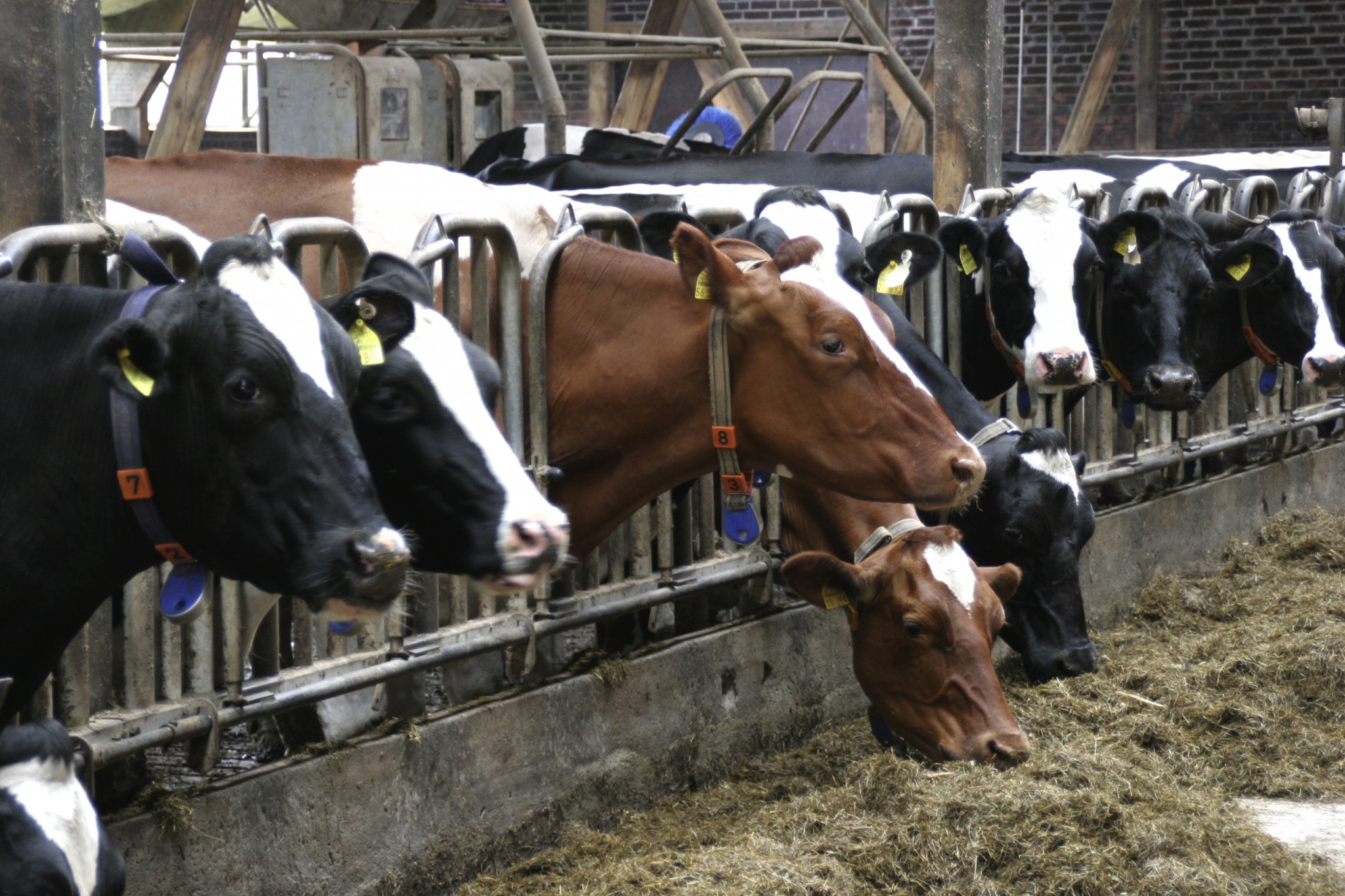
Nitrous oxide – has a greenhouse effect around 300 times stronger than carbon dioxide, and its concentration in the atmosphere has increased by 16% since the Industrial Revolution. Its lifespan in the atmosphere is approximately 130 years. It is naturally released from the oceans, rainforests and soil. Human contributions of nitrous oxide come mainly from the use of fertilisers and various industrial processes that release this gas, including wastewater treatment.
Fluorinated greenhouse gases – these include HFCs (linked to refrigeration and air conditioning), sulphur hexafluoride (used in the electrical industry), PFCs (used in aluminium production and the electrical industry), and the best-known group, CFCs, which damage the ozone layer and were mainly used in fridges and aerosol sprays. They have no natural origin, and their greenhouse effect can be up to 22,000 times greater than that of carbon dioxide. Their atmospheric lifespan is also extremely dangerous, as it can last for thousands of years.

Global Warming – Effects
Climate and Weather Change
The global average temperature is rising, but not at the same rate everywhere. The increase is strongest around the poles, which is why that is where the main driver of climate and weather change can be found. Put simply, dry regions are likely to become even drier, while wet regions are likely to become even wetter. Rainfall belts are also expected to shift further north. Weather will become increasingly extreme, which can already be seen in the growing strength of hurricanes. Warmer ocean waters allow them to gain more power, and in the near future it may even become necessary to introduce a sixth hurricane category. On a global scale, both the frequency and intensity of flooding are expected to increase, while deserts are likely to spread even further.
Melting Glaciers
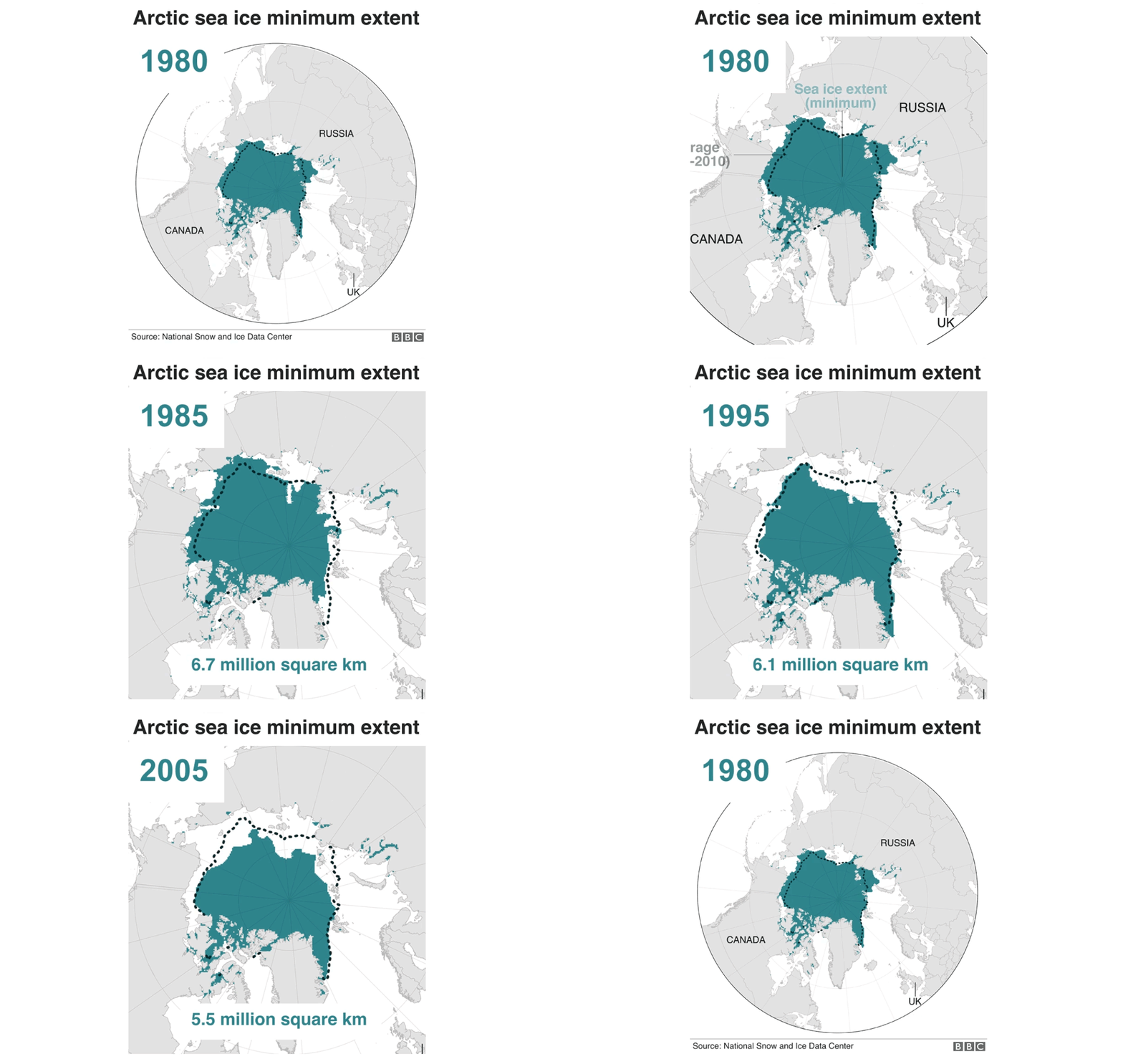
The forecasts have come true: the Arctic, Greenland and Antarctica are losing ice mass, which is contributing to rising sea levels. Even today, seawater can be seen flooding the streets of Miami, New York and other coastal cities on sunny days without rainfall, forcing cities to respond by installing pumps, raising road foundations and taking other protective measures. Some island nations, such as Kiribati, have to face the reality that within a few decades their islands may disappear beneath the sea, forcing their populations to relocate to other countries. Cities genuinely at risk by 2050 include megacities such as Mumbai, Kolkata, London, many major coastal cities in China, Miami, New York, New Orleans and others. At the same time, cities in Asia and the United States are also expected to face more frequent hurricanes, cyclones and typhoons. These storms are likely to bring even higher wind speeds, greater rainfall totals and longer duration than in the past.

Agriculture and Ecosystems
Another effect of warming is the destruction of coral reefs, which are a vital source of marine life. That marine life provides food for around one billion people living in coastal areas. The expansion of flood-prone regions, together with the spread of long-term drought and desert conditions, will lead to further losses of agricultural land and more crop damage caused by weather extremes. Harvests are therefore likely to become weaker year after year. Half of the world’s population – including the populations of China, India, Afghanistan, Pakistan and Bangladesh – depends on rivers that originate in the Himalayas. These rivers are fed by snow and ice in the mountain range, but just like in polar regions, the amount of ice and snow there is declining each year as temperatures rise, causing river flows to weaken gradually. These problems are made even worse by rapid population growth in those regions and the resulting increase in water demand.
Some animal species will be unable to adapt or will lose their food sources. The polar bear is a classic example. By contrast, some species and disease carriers will spread into areas where they were not previously found. Mosquitoes, which spread malaria and other tropical diseases, thrive in warm conditions. Ticks also benefit from warmer temperatures, and their range is expected to expand across Europe. The same applies to bark beetles, which spread more quickly through forests already weakened by drier conditions.
Wildfires
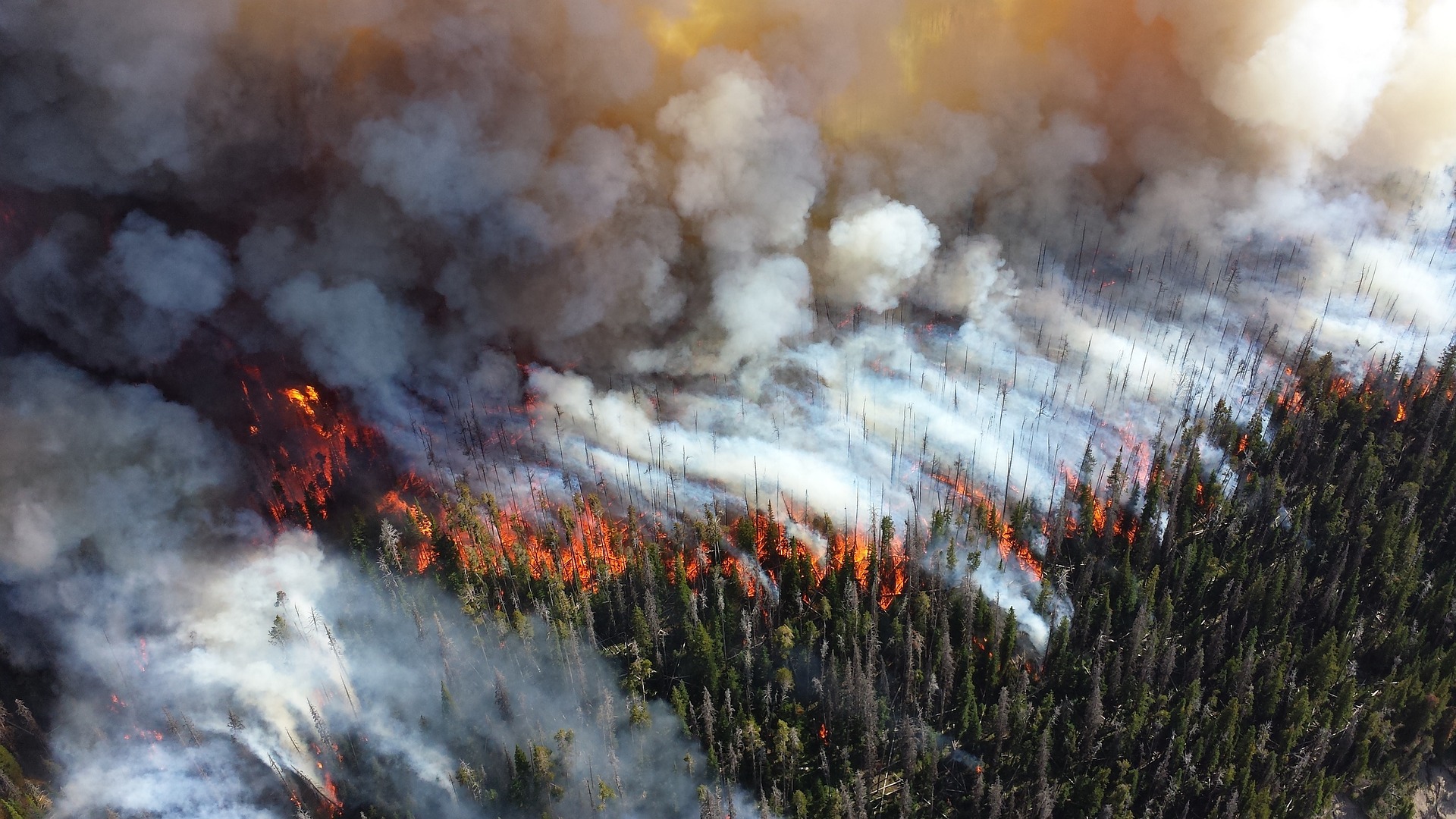
As a logical consequence of rising temperatures, the risk of wildfires is also increasing. This is particularly visible in Europe and the United States. Over the past five years, Portugal, Sweden, Croatia, Greece and other countries have experienced the largest wildfires in their history, with many people losing their lives. The main reasons are longer summers with less rainfall, while the number of days with temperatures above 30°C continues to rise each year. Wildfires release huge amounts of carbon into the atmosphere, which further intensifies the greenhouse effect.
Population Migration and Military Conflicts
As a result of increasingly difficult living conditions – such as drought, frequent flooding and water shortages – poverty and civil unrest may spread across densely populated countries such as India, Bangladesh, Afghanistan, Pakistan, parts of China and others. This could trigger large-scale migration towards countries that are at least in slightly better condition. Since rivers often flow through several countries, and some are located closer to the source while others are further downstream, the actions of one country near the river source can seriously affect water availability in another country further away. Disputes and the failure to reach compromise may ultimately lead to military conflict. The danger is even greater given that India, Pakistan and China all possess enough nuclear weapons not only to destroy one another, but to destabilise the wider world as well.
Solutions to Stop Global Warming
Citizens, businesses and governments are all interconnected, which means their impact on global warming is interconnected too. Real change must happen across all three levels, not just among individuals. However, that should never discourage people from adopting environmentally friendly habits. If you feel burnt out when it comes to eco-friendly living, we recommend reading the article How to Live Sustainably and What Prevents Us From Doing So.
Individuals or Families
- Anything that helps prevent deforestation – see the article Deforestation.
- Reduce overall consumption of goods in general.
- Cut electricity use by choosing more energy-efficient bulbs and appliances and by using electrical devices less often.
- When building homes, use materials that minimise heat loss while also preventing indoor overheating – for example, fired brick, with windows facing east or north-east. This can reduce both air conditioning and heating costs.
- Choose public transport, cycling or walking whenever possible, or use transport that does not rely on fossil fuels, such as electric scooters, electric cars or hydrogen-powered vehicles.

- Choose a place to live that reduces the need to travel to work, shops, school and other everyday destinations.
- Support products with a lower energy footprint during production.
- Cutting beef out of your diet can significantly reduce methane emissions.
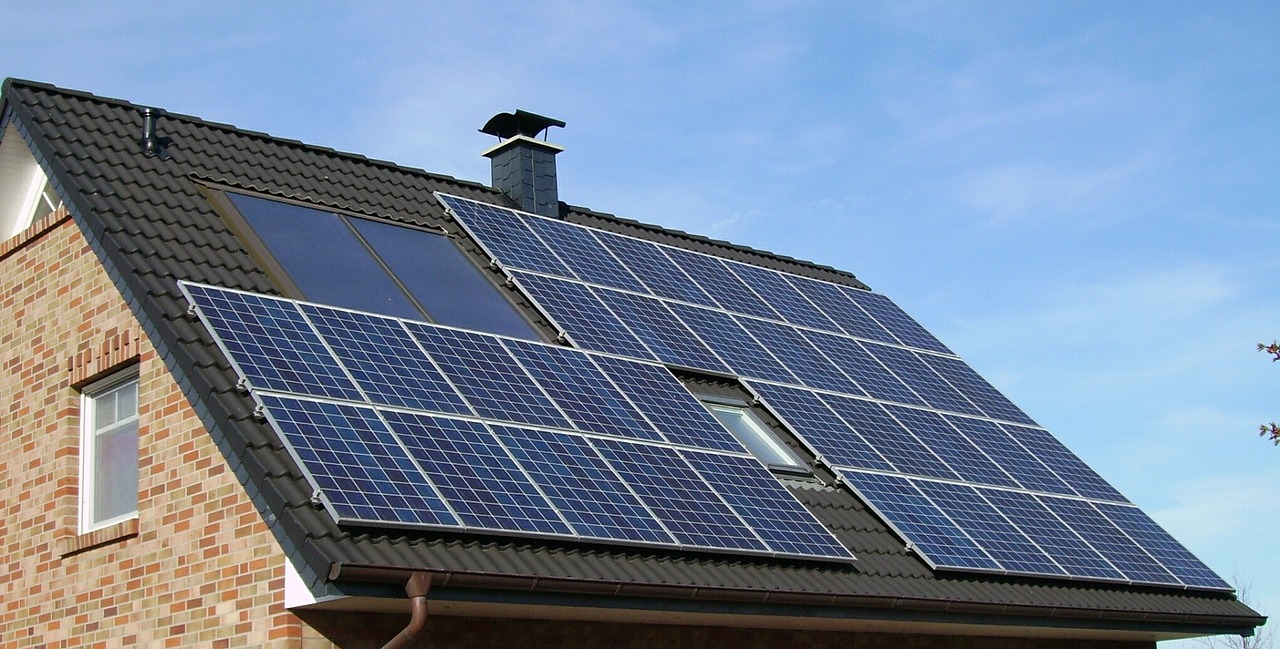
- If you live in a detached house, solar heating and photovoltaic panels can dramatically reduce your CO2 footprint. It is also worth remembering that burning wood produces substantial emissions. Biomass has its own CO2 footprint as well, but it is around 70% lower than burning gas.
- Solar windows are expected to reach the market in the near future, which could help reduce emissions even in flats.
- Use natural fertilisers instead of synthetic ones.
- Support all forms of recycled goods, whether that means buying clothes from charity shops, second-hand furniture, drinks in glass bottles or products made from recycled materials. Using second-hand or recycled goods is almost always less energy-intensive than buying brand-new products made from raw materials.
- Perhaps most importantly, vote in local and national elections for representatives who support reducing greenhouse gas emissions – people who do not treat human-driven climate change as a conspiracy theory, but as a real and urgent fact, and who are prepared to introduce measures to help stop global warming. The role of the state – especially the largest states – is enormous. Governments can save millions of tonnes of carbon each year through measures such as subsidies for electric vehicles, support for renewable electricity and heating, investment in renewable power stations, the construction of cycle paths, and better conditions for using public transport.
Businesses and Corporations
- Anything that helps prevent deforestation – see the article Deforestation
- Switch to electricity from renewable sources and reduce overall electricity consumption within the business.
- Build factories as close as possible to customers and rely on rail freight wherever feasible.
- If you run a restaurant or staff canteen, try removing or at least significantly reducing beef from the menu.
- Choose suppliers and customers that are also working towards more energy-efficient production and the use of renewable electricity.
- Provide staff transport from home by public transport, or contribute towards their public transport costs.
Government
- Anything that helps prevent deforestation – see the article Deforestation
- Introduce a carbon tax.
- Support the purchase of electric vehicles through subsidies and ensure the rollout of charging infrastructure.
- Support small-scale solar power systems for private use through grants and subsidies.
- Phase out power plants that produce emissions and replace them with hydro, solar or wind power.
- Support the construction of cycle routes and make public and rail transport more attractive.
Sources: eea.europa.eu, NASA, Skeptical Science, European Union
🌿 Worth sharing? Let others know!
Enjoyed this article? Share this article or our page on Facebook, Instagram, or Threads. You’ll help us bring eco-tips and guides that save both money and the environment to many more people. Together, our impact will be much greater.
It takes literally just a few seconds, but it makes a huge difference for our planet. Thank you in advance for sharing:
 Facebook
 Instagram
 Threads
📩 Never miss a tip! Follow us
For the latest updates, we recommend joining our WhatsApp channel or following us on Pinterest. We promise to post at most one article every two days, so we won’t spam or disturb you.
⚠️ Important: On WhatsApp, click the bell icon to ensure you get notified.
 Join WhatsApp
 Follow Pinterest