

Definition of waste:
Waste can be defined as substances or objects that should be disposed of because they are no longer needed. It can be classified in several ways, but one of the clearest distinctions is between natural waste and waste generated by human activity.
In the natural cycle of plants – herbivores – carnivores – insects – microorganisms, waste is handled almost perfectly. Every form of natural waste has something that takes it in and something that consumes it.
That is not always the case with waste created by human activity, and that is where the problem begins.
All such waste is problematic to some extent. Some types are less harmful, such as paper, which can largely be recycled or burned, while others are more serious, such as plastic waste or electronic waste.

Plastic as a material is defined by two major characteristics: durability and low cost. The most common types of plastic include acrylates, polyesters, silicones, polyurethanes, PE, PP, PVC, nylon, PC, polystyrene, and others. Around 8% of total global oil extraction is used to produce plastics.

Electronic waste consists of electrical devices that have been taken out of use, either because they no longer work or because they have become obsolete. The most dangerous components of e-waste are rare and heavy metals such as lead, mercury, cadmium, and beryllium, as well as hazardous chemicals including polybrominated biphenyls (PBBs), polybrominated diphenyl ethers (PBDEs), tetrabromobisphenol-A (TBBPA or TBBA), and PVC plastics.
Waste – causes
Waste has always been, is, and always will be part of human life. The real problem is that we now create waste from materials that are toxic even during storage, do not break down naturally, or release harmful substances into the air, water, or soil as they decompose.
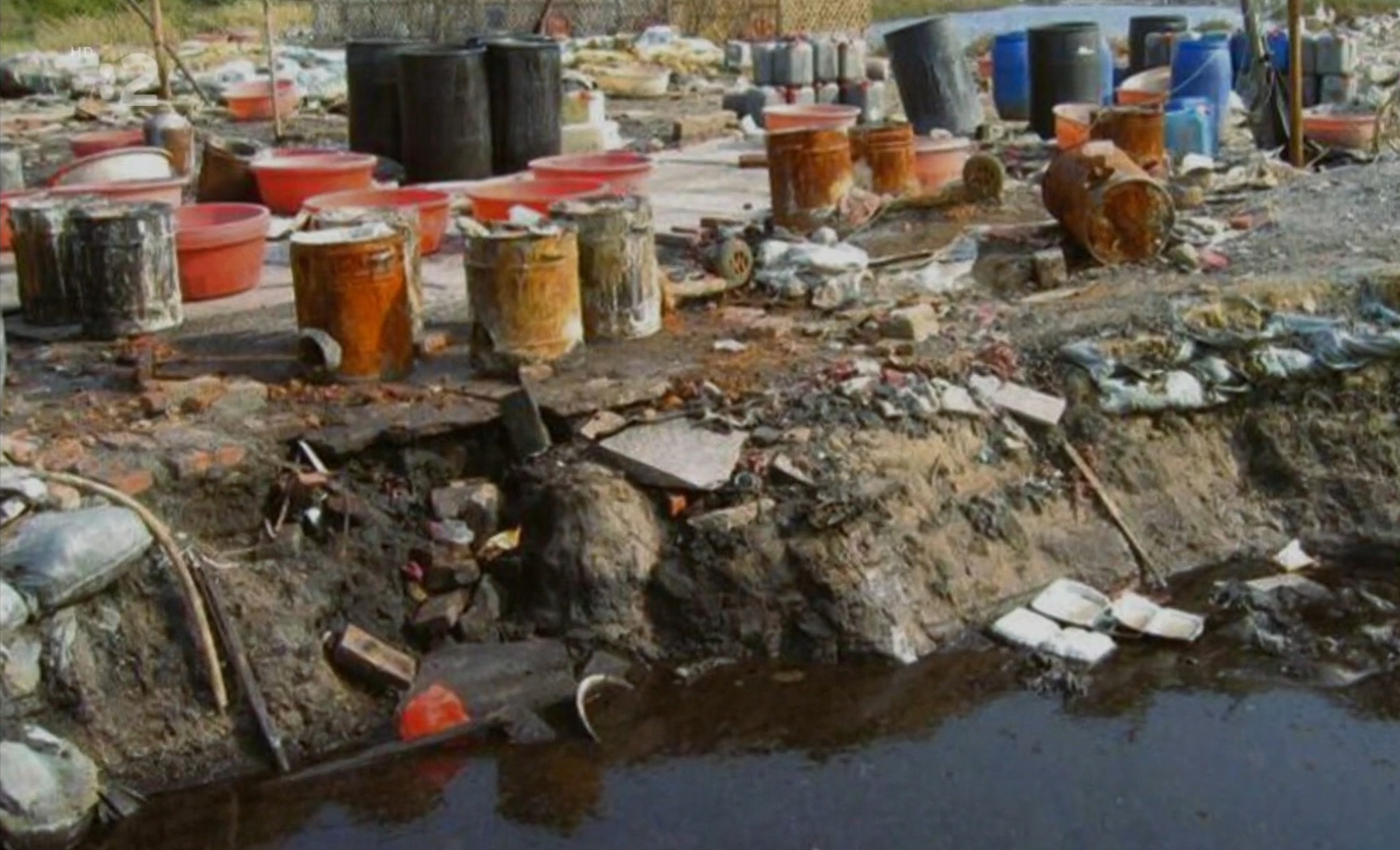
Another issue is that even waste that could be disposed of in an environmentally responsible way is often thrown into mixed municipal waste out of laziness or for financial reasons, such as electronic waste. In other cases, people create illegal dumping sites or pour waste into rivers, including oils, lubricants, dried paint residues, and similar substances.
The main reason plastic waste has become such a major problem is that it does not end up at collection points where it could be recycled or at least safely stored. Instead, it often ends up in our rivers and eventually in the oceans.
The most common types of waste found in the oceans are plastic bottles, fishing nets, cigarette butts, and cigarette filters.

The most common plastic waste in Europe includes plastic packaging, plastic bags, and single-use plastic products such as straws and cutlery.


Waste – consequences
Different types of waste materials have different consequences. Let’s take a closer look at them.
Plastic waste
- Plastic takes several hundred years to break down biologically, and its recycling options are limited depending on the type of plastic.

- In the oceans, plastic causes severe damage to marine ecosystems because it enters the bodies of sea animals, fish, and birds.

- We eat fish too, which means microplastics, tiny plastic particles up to half a centimetre in size, also enter our bodies through food coming from these animals.
- In soil, plastics break down into microplastics and may contaminate groundwater, which serves as a source of drinking water for some communities.
- The effects of microplastics have not yet been fully researched, but existing studies suggest that because of their water-resistant properties, they can absorb chemicals from surrounding water and increase the risk of human exposure to carcinogenic and other harmful substances. Microplastics can also carry bacteria that may introduce infections into the human body.
Electronic waste
One of the most serious consequences is the export of electronic waste abroad. The whole system is quite complex. Companies buy working goods or waste from individuals and businesses, for example monitors for two euros or a mobile phone for one euro. They then ship these items to China, mainly through Hong Kong, or to Africa by sea. Since it is impossible to inspect every shipping container, maritime transport is ideal for this kind of trade.
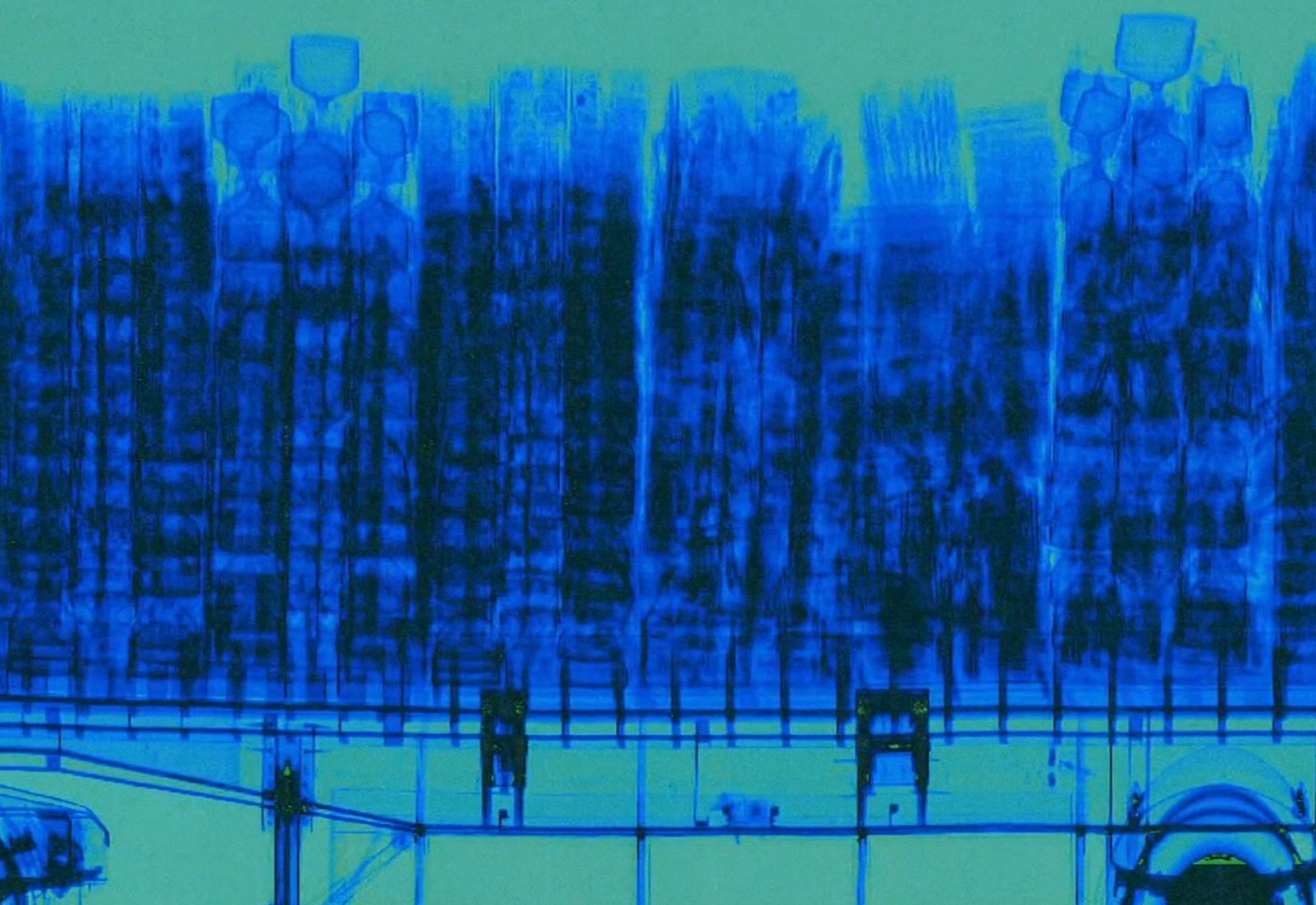

If the goods avoid customs checks at the ports, they are transported to the border areas between Hong Kong and China, into agricultural regions where dumps filled with this waste are created in abandoned places. In Hong Kong, storing electronic waste is not illegal. From these dumps, the waste is then smuggled across the border through bribes into towns and villages, where adults and children “recycle” it without proper protective equipment or safe facilities.
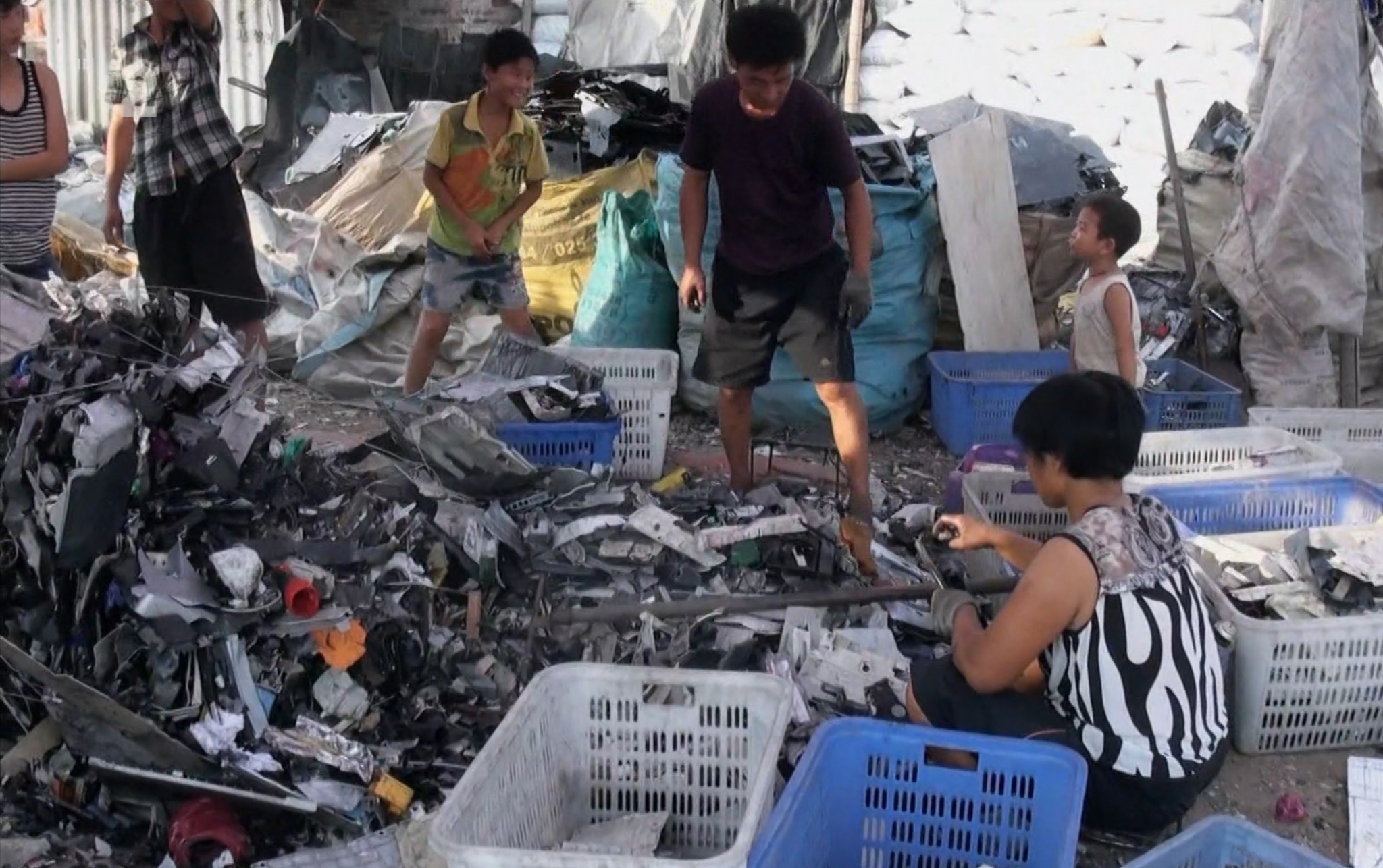
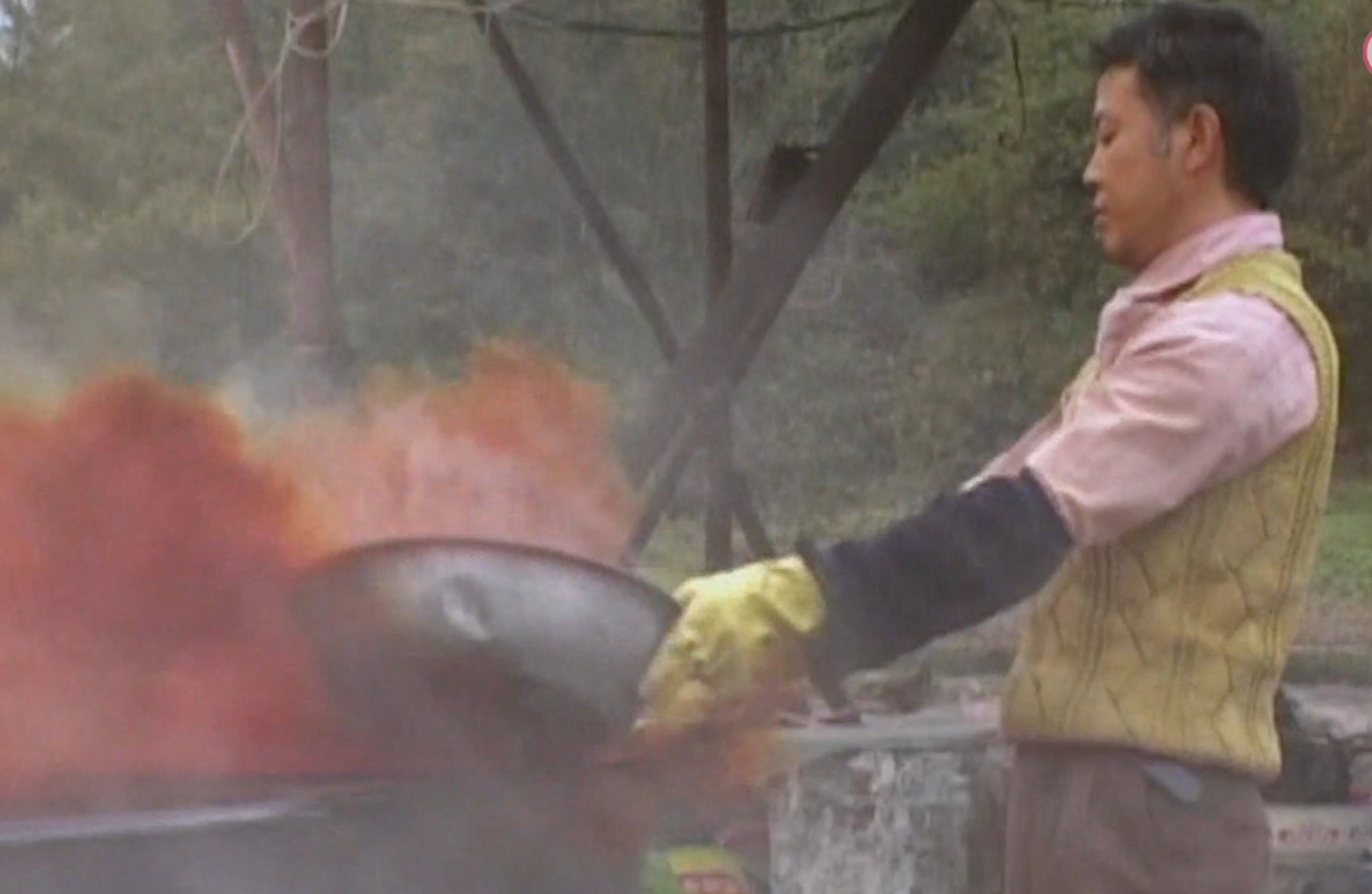
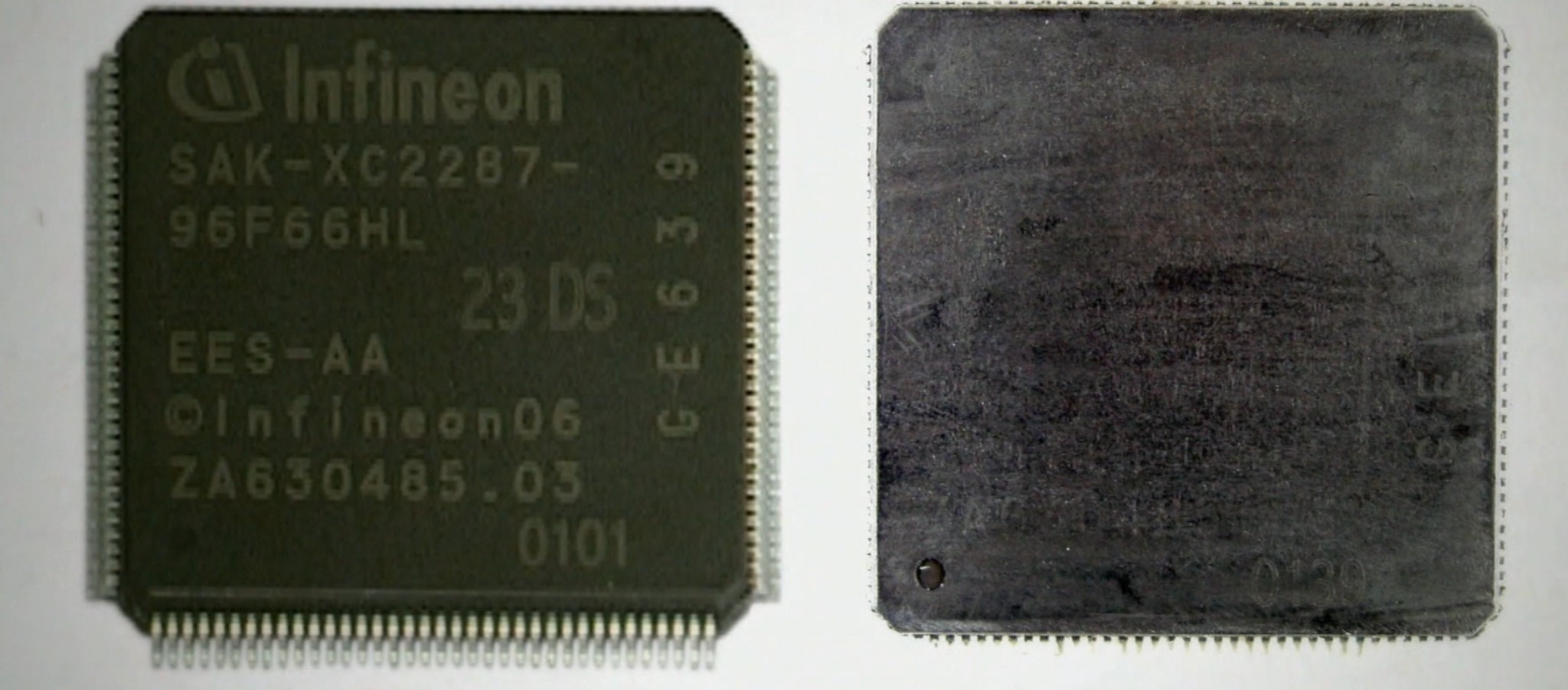
Another issue is that used components are removed and sorted in secret workshops. They are then sold back to companies that install them in devices or pass them on to other firms as if they were new, simply to undercut competitors on price. This illegal trade is reportedly worth 100 billion euros per year. Counterfeit parts make up 6.8% of imported components from China, and they are used in cars, aircraft, traffic lights, and other critical systems where they can put health and safety at risk.
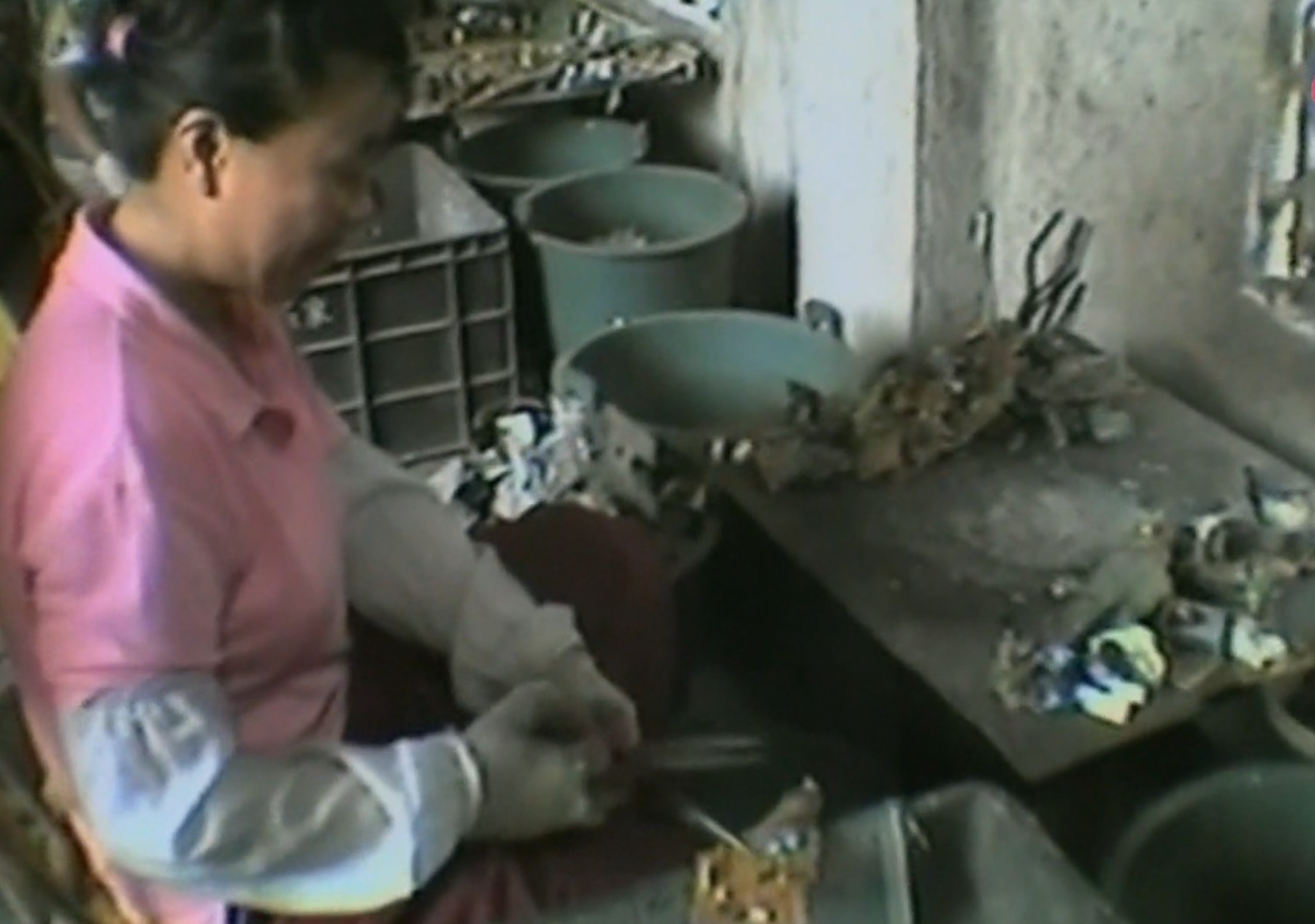

Sorting components in secret workshops
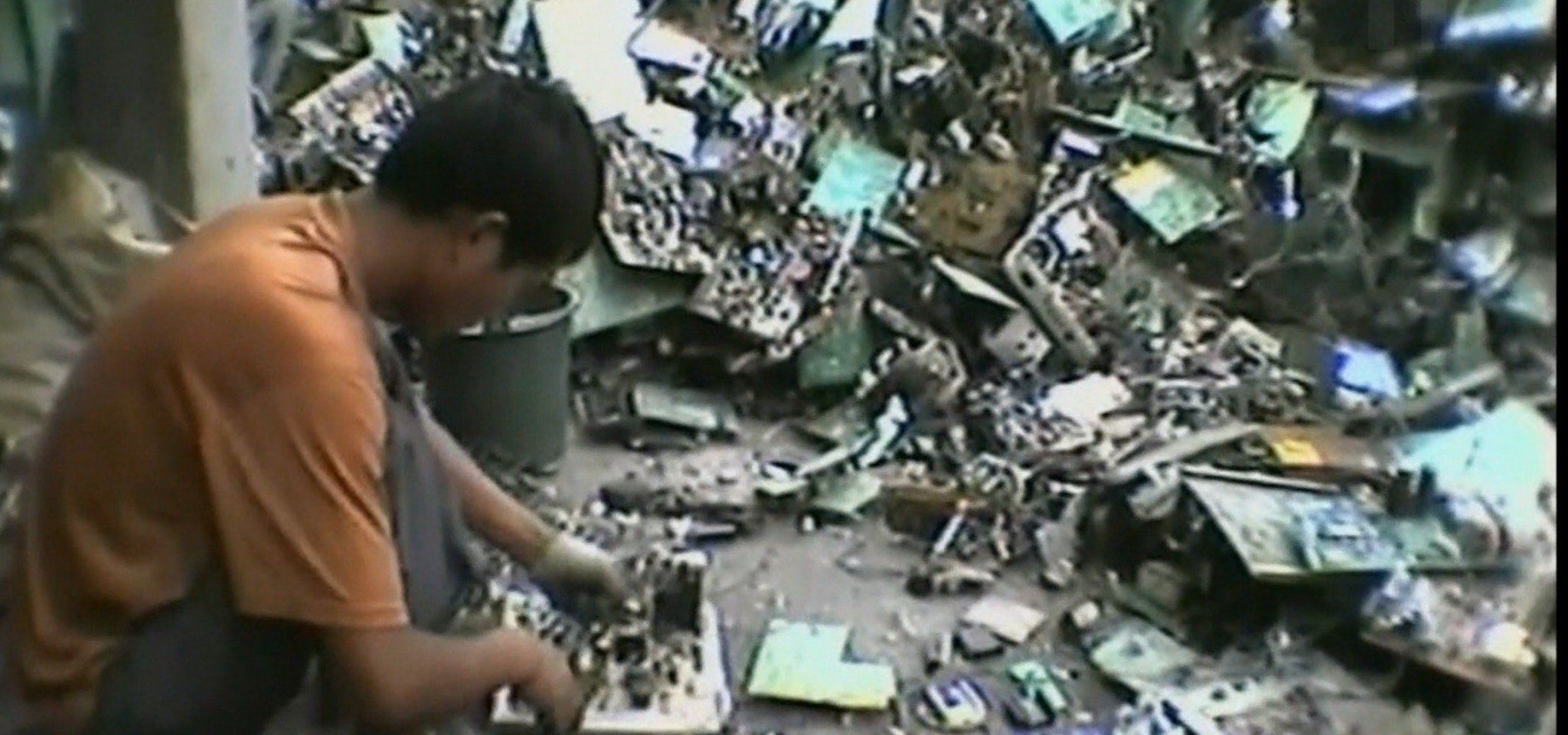
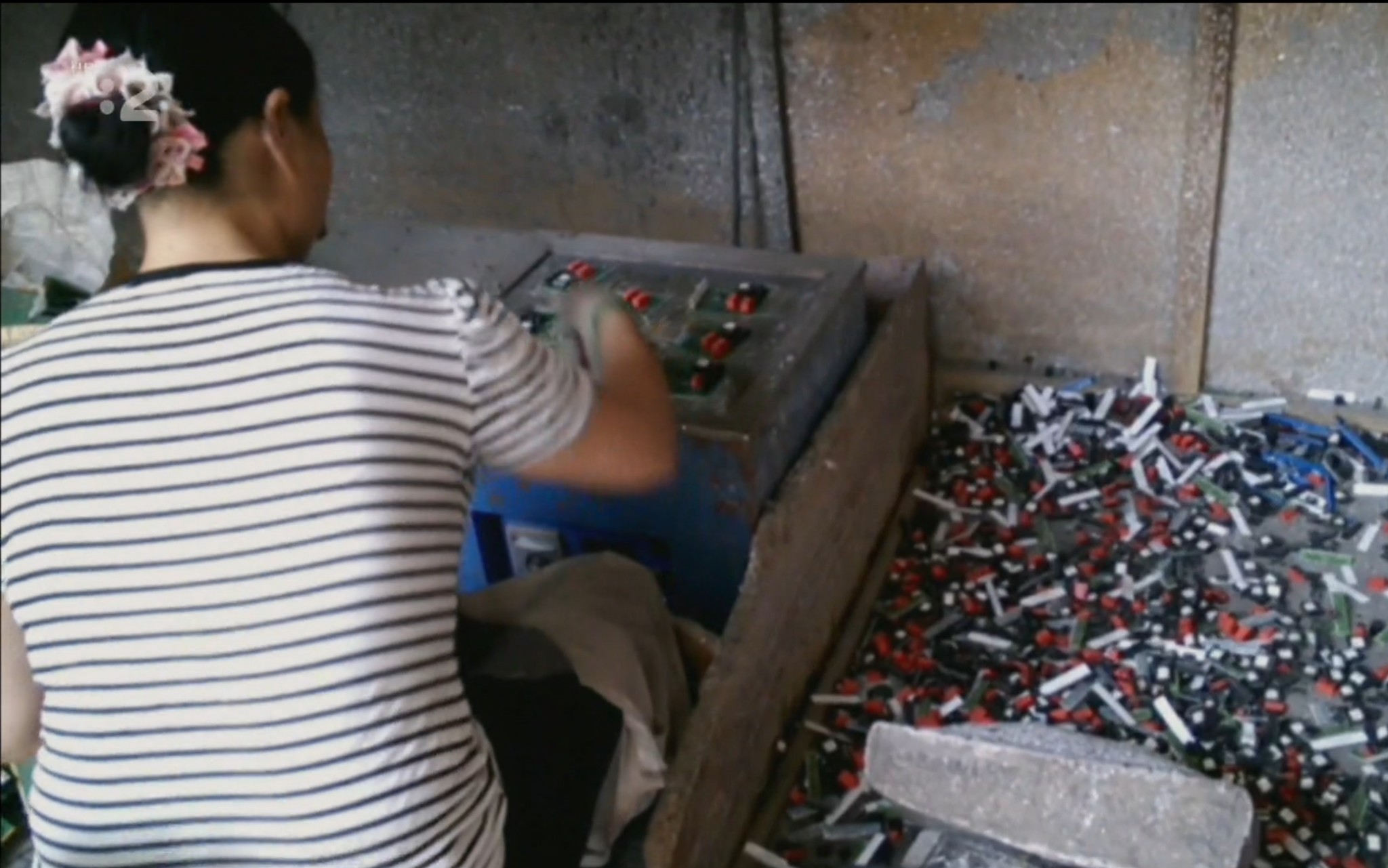
This mainly involves chips, but also other components used in almost every electronic device. They are especially common in cheap PC power supplies. One risk is that a chip designed to withstand only a certain temperature may be falsely labelled with specifications it does not actually have, such as higher heat resistance or suitability for higher voltage. These components pose a safety risk because they are also used in vehicles, transport systems, and even nuclear power plants. A chip may also be damaged by electrostatic discharge or moisture. Another issue is that gas torches are used to remove components from motherboards, even though chips can typically tolerate temperatures only up to around 120 degrees Celsius. If they are heated for too long, they are destroyed, not to mention that higher temperatures also shorten their lifespan.
Another serious issue is the widespread trade in electronic waste across Africa. It is sold as working equipment, such as computers, refrigerators, televisions, and other discarded goods. In some cases, the chance that the product people buy will actually work may be as low as 10%.
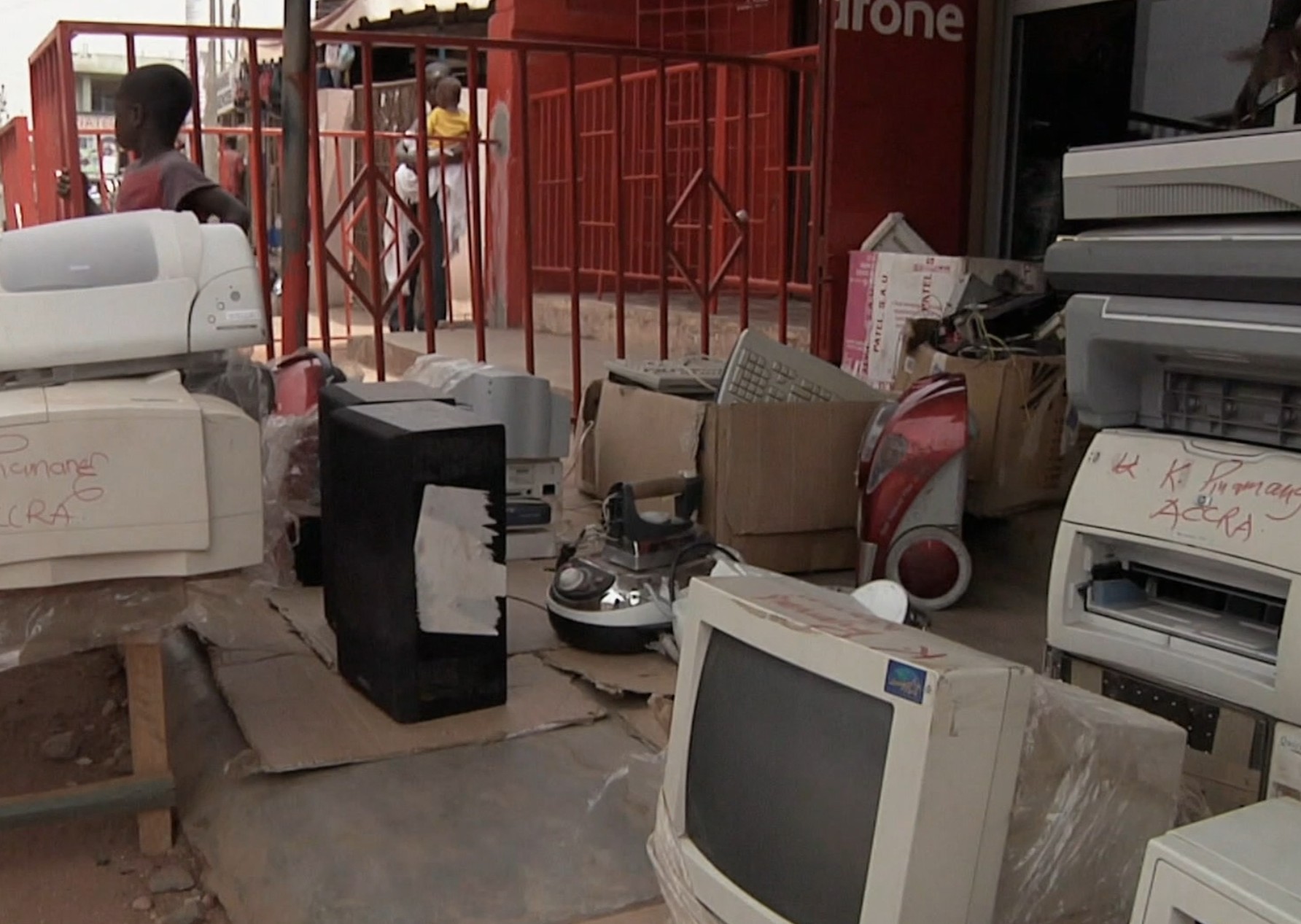
Even when the goods still work, they usually last only around two years before ending up in dumps, where people try to salvage at least some copper cables and other parts that can be sold to scrap buyers.

Because developing countries such as Ghana do not have adequate local or national recycling facilities to process this waste, it remains in dumps and contaminates water sources and soil.
Waste – solutions
Individual or family
- Sort waste properly by putting it into the correct bin.
- Reduce your waste footprint — you can find more tips and ideas in our section What can you do to create less waste?
- Try to recycle as much waste and as many items as possible.
- Do not buy bottled water. If you have to, choose glass bottles at least. Plastic drink bottles are among the most common sources of household plastic waste.
- If you smoke, try switching to e-cigarettes at the very least.
- Buy clothes and other goods second-hand, ideally from physical stores or from people who live nearby, so you do not need unnecessary packaging for shipping.
- Extend the lifespan of your appliances — you can learn how in our article How to extend the lifespan of our appliances.
- Try to use your electronics for as long as possible and choose repair whenever it is still an option.
- Shop in zero-waste stores.
- Choose products with returnable packaging whenever possible.
- Buy in larger quantities if you use more of the same products or food throughout the year and if the shelf life allows it.
- Buy higher-quality products that last longer. A bigger investment often pays off over time.
- Try composting food scraps and other biodegradable waste.
- Return expired medicines to a pharmacy.
- Learn to say no and buy only the things you truly need.
Businesses and corporations
- Use recycled materials.
- Sort your waste, and wherever possible, use the waste you generate to create other products. This helps the environment and can also reduce your costs.
- Provide separate waste sorting bins in employee offices as well.
- Choose canteens for your staff instead of buffets or takeaway meals such as kebabs or pizza, or encourage employees to eat in food establishments outside the company during breaks.
- Try to use less packaging for your products or switch to biodegradable packaging.
- If you sell food or drugstore goods, allow customers to fill their own containers where the nature of the product makes it possible.
- Educate your employees about zero-waste topics.
- Donate unwanted electronics to someone you know. Through charities and various companies that buy used electronics from you, such items often end up being “recycled” in developing countries. We explained why this is problematic in this article.
- Do not dump or pour waste into rivers.
Government
- Introduce a deposit return system for PET bottles.
- Support zero-waste stores.
- Educate students and the general public about waste issues and the possibility of living with less waste.
- Create enough recycling facilities across the country.
- Ensure that electronic waste is not exported abroad, but instead fully recycled and processed by properly equipped recycling facilities within the country.
- Create as few landfills as possible.
- Provide every household and municipality with proper conditions for waste sorting.
🌿 Worth sharing? Let others know!
Enjoyed this article? Share this article or our page on Facebook, Instagram, or Threads. You’ll help us bring eco-tips and guides that save both money and the environment to many more people. Together, our impact will be much greater.
It takes literally just a few seconds, but it makes a huge difference for our planet. Thank you in advance for sharing:
 Facebook
 Instagram
 Threads
📩 Never miss a tip! Follow us
For the latest updates, we recommend joining our WhatsApp channel or following us on Pinterest. We promise to post at most one article every two days, so we won’t spam or disturb you.
⚠️ Important: On WhatsApp, click the bell icon to ensure you get notified.
 Join WhatsApp
 Follow Pinterest